

49ja Promo Code Today: Best Deals in Nigeria
Discover how to find 49ja promo codes today in Nigeria 🎉 Save ₦ on your next buy with tips to avoid scams, understand T&Cs, and get the best deals fast 🛒
Edited By
Henry Davies
The Nigeria national football team, commonly called the Super Eagles, stands as a symbol of pride and passion for Nigerians across the globe. Since their formation in the 1940s, the team has grown from local beginnings into an international force, capturing the imagination of millions with their electrifying style of play.
Throughout the decades, the Super Eagles have marked themselves out with several landmark achievements. They won the African Cup of Nations (AFCON) three times — in 1980, 1994, and 2013 — alongside a memorable silver medal at the 2008 Olympics in Beijing. Nigeria remains the only African team to secure the Olympic gold in football, which they achieved at the 1996 Atlanta Games.
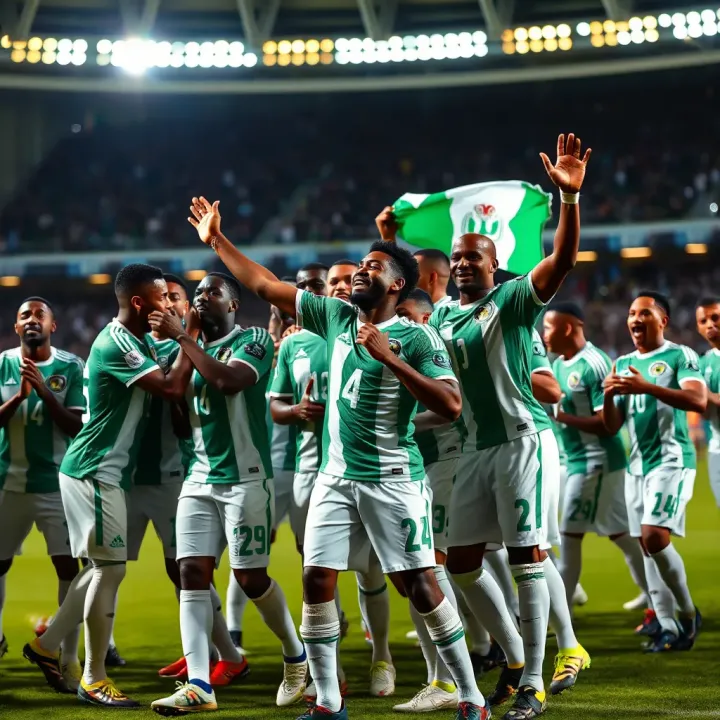
The Super Eagles aren't just a football team; they represent Nigerian unity and resilience, often rallying the country during challenging times.
The team’s influence goes beyond the pitch, playing a pivotal role in Nigerian society. Football is deeply woven into everyday life, from children playing on dusty fields in remote villages to packed packed stadiums in Lagos and Abuja. The Super Eagles inspire dreams of success and social mobility for many young Nigerians, while their broadcasts spark celebration and national conversation.
Key figures such as Rashidi Yekini, Nwankwo Kanu, Jay-Jay Okocha, and more recently, players like Victor Osimhen and Wilfred Ndidi, have ignited Nigerian football’s global reputation. These stars have given fans unforgettable moments and raised Nigeria’s profile in European and international leagues.
Still, challenges remain. Funding constraints, administrative issues, and infrastructural gaps sometimes hinder the team’s progress. Despite these setbacks, the Nigerian Football Federation (NFF) has pushed for reforms and increased support to ensure the Super Eagles stay competitive.
In sum, understanding the Super Eagles means appreciating their history, the pride they carry for Nigerians, and the ongoing efforts to reclaim top positions in African and global football. For the tech-savvy professional or the Nigerian gambler, following the team offers a blend of thrilling sporting action and a front-row seat to a story of national identity and ambition.
Understanding the origins and development of the Nigeria national football team provides valuable insight into how the Super Eagles became a powerhouse not only in Africa but also on the global stage. This section lays a foundation by tracing the team’s beginnings, early international forays, and the influences behind its initial style of play. Knowing this background helps readers appreciate the current state of Nigerian football and its deep-rooted connection to national pride.
The foundation of the Nigeria national team dates back to the late 1940s and early 1950s when football was gaining popularity across the country. The Nigerian Football Federation (then known by a different name) organised local clubs and select players from various regions to form one national side. This team represented Nigeria in friendly matches and regional tournaments, marking the first steps towards formal international competition.
Initial international appearances came mostly against other West African countries. In 1949, Nigeria played its first international match against the Gold Coast (now Ghana), a meeting that would start a long-standing football rivalry. These early encounters helped the team gain experience and exposed Nigerian players to different tactics and styles beyond the local leagues.
Influences shaping Nigeria’s early style of play were a mix of indigenous football traditions and British colonial influences. Nigerian players combined their natural flair, agility, and creativity with structured discipline learned from British coaches and missionaries. This blend gave birth to a style characterised by quick dribbling, sharp passing, and the famous Nigerian resilience that later distinguished the Super Eagles.
Nigeria’s first steps in the African Cup of Nations (AFCON) came in the late 1950s and early 1960s, signalling the team’s entry into continental football. Though early results were mixed, these tournaments provided crucial experience and visibility. For example, Nigeria’s participation in the 1963 AFCON was vital to gaining respect from other African football nations and laying the groundwork for future successes.
Regional tournament performance also played a key role in solidifying Nigeria’s football reputation. Competitions organised by the West African Football Union (WAFU) offered a more regular platform for competitive play within the region. Successes here boosted Nigerian players’ confidence and allowed talent scouts to identify promising stars. The team often used these tournaments to test young players and experiment with tactics before bigger continental or World Cup challenges.
The Nigeria national team’s role in West African football has been significant beyond just the pitch. It has acted as a unifying symbol among West African nations through sports diplomacy and friendly rivalries. Nigeria’s strong showings encouraged neighbouring countries to develop their own programmes, raising the overall level of football. Additionally, Nigerian players have frequently played in regional clubs, creating a cross-border exchange that enriched West African football culture.
The early development and steady growth of Nigeria’s football team laid a solid foundation for the Super Eagles’ emergence as an African and global football force.
With these origins and continental experiences, the Nigerian team has built a legacy that continues to influence players, coaches, and fans across the country today.
The Nigeria national team, popularly known as the Super Eagles, has been a dominant figure not only in African football but also on the global platform. Their major achievements demonstrate Nigeria’s football prowess and serve as a source of national pride. These milestones influence the development of local football, inspire young talents, and bring international recognition to Nigerian football.
Nigeria’s success in the African Cup of Nations (AFCON) stands out, winning the tournament three times—in 1980, 1994, and 2013. The 1994 victory was particularly memorable; Nigeria showcased a masterclass performance with players like Rashidi Yekini and Jay-Jay Okocha, securing the trophy on home soil. These key matches remain pivotal moments in Nigerian football history, reflecting tactical discipline and sheer talent.
The impact of these triumphs goes beyond the silverware. Winning AFCON boosted the local leagues by attracting foreign scouts to Nigerian players. It also united the country during tense political times, providing a common cause for celebration. For instance, after the 2013 AFCON win, grassroots football saw increased funding and attention, improving opportunities for upcoming players.

When compared to other African giants like Egypt and Cameroon, Nigeria maintains a competitive edge with its blend of flair and athleticism. While Egypt holds the record with seven titles, Nigeria’s consistent tournament presence and strong fan base make it a formidable force. Such comparisons help in measuring progress and setting future targets for the Super Eagles.
Nigeria made its World Cup debut in 1994 and has qualified for six editions till 2022, never missing a tournament since that first entry. Their 1994 performance, reaching the Round of 16, thrilled the nation and introduced new global audiences to Nigerian football. These appearances have practical benefits, from improving player market values to attracting Nigerian diaspora support worldwide.
Memorable World Cup games, such as the 2018 match against Argentina, where Ahmed Musa scored twice, highlight the team’s ability to compete with the world’s best. Players like Nwankwo Kanu and Peter Rufai became household names, paving the way for the next generation. These moments keep Nigerian football alive in international conversations.
However, challenges remain. Nigeria often struggles with inconsistent performance due to issues like inadequate preparation, travel logistics, and internal football administration problems. The gap in experience compared to established football nations also shows, signalling an area that requires strategic improvement.
Nigeria’s crowning achievement in international football came in 1996 when the Super Eagles won the Olympic gold medal in Atlanta. This victory made Nigeria the first African nation to win Olympic football, proving the continent’s ability to rival traditional football powers. The practical effect was a surge in national enthusiasm and increased government support for football development.
Beyond the Olympics, Nigeria’s performances in the FIFA Confederations Cup and other events have been mixed but useful for experience. The Confederations Cup appearances, though not yielding trophies, have exposed the team to different playing styles and sharpened their tactical approaches. Such exposure is vital in preparing the Super Eagles for other big tournaments.
Major achievements on African and global stages have shaped Nigeria’s football identity and built a bridge between local talent and international opportunities. These milestones continue to inspire future generations and affirm Nigeria’s place in world football.
In essence, understanding Nigeria’s victories and challenges in major competitions offers insight into the nation’s football strengths and areas needing strategic focus. For fans, players, and stakeholders alike, these achievements are more than history—they’re a foundation for future success.
The Nigeria national team’s story wouldn't be complete without recognising the players and coaches who brought the country's football to global attention. These individuals not only inspired football fans but also influenced the tactical evolution and international reputation of the Super Eagles.
Players like Jay-Jay Okocha, Nwankwo Kanu, and Rashidi Yekini have left an indelible mark on Nigerian football. Okocha, known for his dazzling dribbling and creativity, brought flair and excitement that captured the hearts of many beyond Nigeria’s shores. Kanu's versatility and knack for scoring crucial goals were vital in key tournaments, while Yekini, Nigeria’s all-time top scorer, gave the team a reliable attacking edge, especially during their first major continental wins.
These players’ success was no accident. Many transitioned from Nigeria’s local leagues, like the Nigeria Professional Football League (NPFL), to prominent European clubs, where they sharpened their skills further. This pathway helped Nigeria export talent internationally while raising the standard of the local game by example.
Today, emerging stars like Victor Osimhen and Wilfred Ndidi continue this legacy, shaping the team’s future ambitions. Their presence in top European leagues gives Nigeria an advantage in international competitions and inspires younger players back home to aspire higher.
Nigeria’s football style today reflects a blend of influences from both foreign and local coaches. Coaches like Clemens Westerhof pioneered strategic professionalism in the early 1990s, successfully blending physicality with technical skill. Conversely, Nigerian coaches such as Stephen Keshi not only led the team to continental triumph but also championed local talent development.
Over time, coaching tactics evolved from a straightforward, attack-heavy approach to a more balanced one that prioritises discipline and defensive organisation. This shift improved Nigeria’s competitiveness on the global stage, especially during World Cup appearances.
That said, coaching successes have come with challenges. While some coaches brought trophies and improved consistency, others struggled with administrative issues or failed to connect with players effectively, sometimes leading to underwhelming performances. These experiences underscore the need for stability and expertise in managing a squad full of diverse talent.
The impact of influential players and coaches goes beyond trophies—they shape the nation's identity and inspire the next generation. Their legacy remains a guiding light for Nigerian football’s growth.
By understanding these figures’ role in Nigeria’s football story, fans and analysts alike appreciate how the Super Eagles’ current form builds on past foundations, preparing for a stronger future in world football.
The Nigeria national football team, the Super Eagles, carries significance well beyond the pitch. It stands as a powerful symbol that brings Nigerians together, cutting across ethnic, social, and regional divides, especially in a country as diverse as Nigeria. Football, in this sense, is more than just a sport; it is a unifying thread that strengthens national pride and identity.
The Super Eagles have a unique way of uniting Nigerians from different backgrounds and regions. During major tournaments like the African Cup of Nations or the FIFA World Cup qualifiers, it’s common to see families, offices, and communities gathering to cheer on the team. For instance, despite bitter rivalries among ethnic groups, everyone tunes in to support the green and white. This shared enthusiasm helps ease tensions and promote a sense of belonging to one nation.
Football’s role as a national unifier also shows during matches played abroad, where Nigerians abroad come together to proudly represent their homeland. The team’s successes often spark celebrations in Lagos streets, Abuja, and even remote villages, demonstrating how football bridges social gaps.
Football also acts as a crucial escape and source of joy, especially during challenging times. Global economic pressures or local hardships like power outages and fuel scarcity weigh heavily on everyday life. Watching the Super Eagles play, Nigerians find moments of happiness and hope. For example, victories against strong opponents or dramatic goals can lift the spirit of a community, giving people temporary relief from everyday stresses.
Beyond just entertainment, football events often transform into social gatherings where friends meet, foods like suya and jollof are shared, and stories are exchanged. This communal enjoyment reinforces social bonds and cultural expression, making football an integral part of the Nigerian experience.
The culture of fan support is vibrant and widespread. Nigerian fans are known for their passionate, loud, and colourful backing of the team. From awoof vendors selling wigs and face paints to fans donning aso ebi in team colours, the enthusiasm is unmistakable. Social media platforms also buzz with discussions and analyses, engaging tech-savvy Nigerians who follow every move closely.
Fans extend their support beyond national games to local leagues and international players who represent Nigeria around the world. This loyalty fuels football’s popularity in Nigeria and creates a strong football ecosystem that includes betting markets and grassroots tournaments.
The passionate backing of Nigerians is a testament to football's powerful cultural grip and the national team's central place in everyday life.
The Super Eagles contribute significantly to Nigeria's economy through sponsorships, matchday revenues, and merchandise. Big brands like Globacom, MTN, and Nike sponsor the team, investing hundreds of millions of naira annually to gain access to its vast fan base. These partnerships help provide financial resources for team activities and simultaneously boost the sponsors’ visibility.
Home matches at stadiums across Nigeria attract tens of thousands of fans, generating income not only for the team but also for local businesses—vendors, transport operators, and hospitality services benefit enormously. During tournaments, betting companies also see a spike in activity, indicating the team’s indirect influence on economic sectors beyond football.
Grassroots football and youth development have gained momentum triggered by the national team’s successes. Football academies across Nigeria, from Lagos to Kano, draw inspiration and hope from the Super Eagles’ history. Many young players view the national team as a reachable dream, motivating them to hone their skills and remain focused.
Grassroots initiatives, often supported by private foundations or local government, offer platforms for identifying raw talent. Often, these young prospects find pathways through local clubs into international leagues, which in turn benefits the national team. This continual flow of new players helps sustain the Super Eagles’ competitiveness.
Still, the team and Nigerian football face familiar challenges. Funding gaps and poor infrastructure limit development. Many stadiums and training facilities fall short of international standards, affecting both player preparation and fan experience. Inadequate support from government bodies and inconsistent administrative policies also hinder progress, making it difficult for local leagues and academies to thrive.
Resolving these challenges requires strategic investment and better governance, without which Nigeria risks losing its edge in African and global football. Improving infrastructure and funding will not only help the national team but also the entire football ecosystem and by extension, Nigerian society.
The Super Eagles remain more than just a football team; they are a national institution that carries hopes, unites diverse peoples, drives economic activity, and nurtures future generations. Their role in society and culture is both profound and practical, embedded deeply into the Nigerian fabric.
Exploring the contemporary issues facing the Nigeria national team sheds light on the hurdles that affect their performance and management. Understanding these challenges helps clarify why the Super Eagles sometimes struggle despite their abundant talent and passion. Additionally, looking at the future outlook highlights concrete steps being taken to rebuild and strengthen Nigeria's position in African and global football.
Governance problems within Nigerian football authorities often undermine the team’s progress. Conflicts within the Nigeria Football Federation (NFF), reports of poor financial management, and delayed decisions about coaching or player welfare have created instability. This makes long-term planning difficult and discourages sponsors and fans alike. For example, disputes over contract renewals and election controversies within the NFF have slowed critical development programs and affected team morale.
Player availability and talent retention remain ongoing challenges. Many Nigerian players ply their trade abroad, but issues like busy club schedules, injuries, and occasional clashes with the national team management reduce their consistent availability. Additionally, there is an increasing trend of young talents seeking citizenship elsewhere, lured by better infrastructure and opportunities. This brain drain strains the pool of home-based and international players eager to represent Nigeria.
The impact of domestic league conditions on the national team cannot be overstated. The Nigeria Professional Football League (NPFL) faces challenges such as irregular scheduling, low sponsorship, and poor stadium facilities. These factors limit the development of local players and prevent scouts from properly assessing homegrown talent. By contrast, countries with more stable leagues tend to nurture better players, giving them a base for national team selection and growth.
Nurturing new talent is at the heart of Nigeria’s football plans. Initiatives focus on youth academies and grassroots programmes, recognising that investing early reaps long-term benefits. Entities like the Nigeria Football Federation have partnered with private clubs and foundations to run structured training schemes in states like Lagos and Kano, aiming to discover raw talents who can transition smoothly into professional football.
Building stronger ties with local clubs and academies is another key strategy. By fostering better communication with NPFL clubs and school academies, the national team can ensure a steady supply of match-ready players. This connection also helps align coaching standards and improves player scouting. Collaboration with established clubs such as Enyimba and Kano Pillars is crucial to balancing homegrown talents alongside Nigerian players based overseas.
The goals for upcoming international competitions remain optimistic but realistic. With Africa Cup of Nations (AFCON) and World Cup qualifiers approaching, the focus is on cohesive team selection, improving tactical discipline, and reducing administrative distractions. The management hopes to rebuild fan confidence by aiming for Nigeria’s best performance since the 1990s, with clear targets like reaching the AFCON semi-finals and advancing beyond the group stage in the World Cup.
Addressing governance, player retention, and league stability while investing in local talent and relationships with clubs forms the backbone of Nigeria’s football future. The coming years will reveal if these measures can restore the Super Eagles’ dominance on the continent and beyond.
Discover how to find 49ja promo codes today in Nigeria 🎉 Save ₦ on your next buy with tips to avoid scams, understand T&Cs, and get the best deals fast 🛒

Looking for the best Aviator gaming site in Nigeria? 🎮 Discover trusted platforms, secure payments like USSD or ₦-wallets, top site features, and safe play tips here!
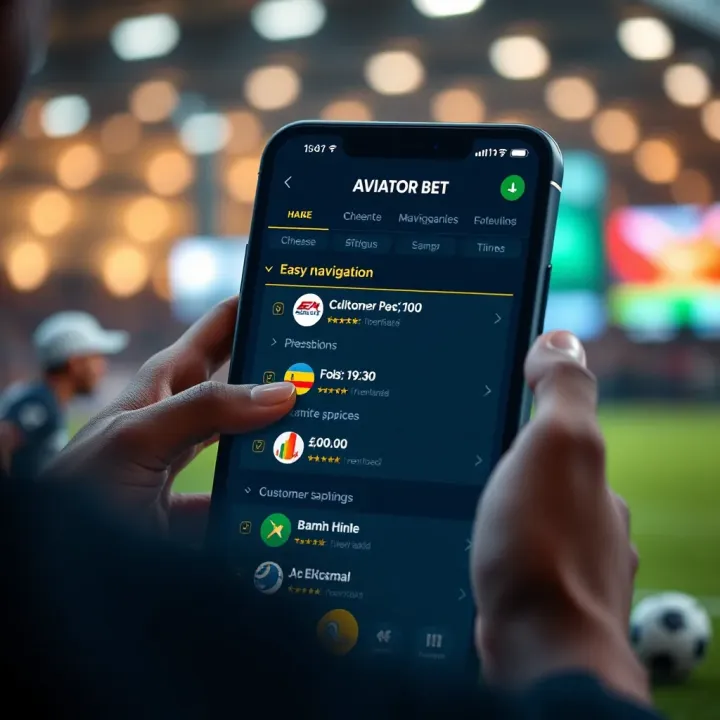
🎰 Discover Aviator Bet App for Nigerians: easy registration, secure payments, smart betting tips, and reliable customer support for a top betting experience in ₦.

Discover the 49ja Nigeria welcome bonus 🎉 Learn how to claim your ₦ bonus, understand terms, and compare offers in Nigerian market to maximise your benefits.
Based on 8 reviews