

49ja Mega Moolah RTP Explained for Nigerian Players
🎰 Get to know 49ja Mega Moolah RTP and why it matters to Nigerian players. Learn how to play smart, compare slots, and manage risks for better wins in ₦!
Edited By
Mark Fletcher
49ja Neteller is quickly gaining ground as a preferred payment platform for Nigerian users, especially among gamblers and tech professionals who need efficient cross-border transaction solutions. Unlike traditional banks bogged down by long queues and limited international access, 49ja Neteller offers a streamlined way to manage funds, send money, and pay for online services—all from your phone or laptop.
Setting up an account is straightforward. Nigerian users can register by providing basic details such as name, email, phone number, and valid identification. Once registered, funding your 49ja Neteller account is flexible: you can top up through local bank transfers, credit/debit cards, or fintech apps like Paystack and Flutterwave, which are already familiar to many Nigerians.
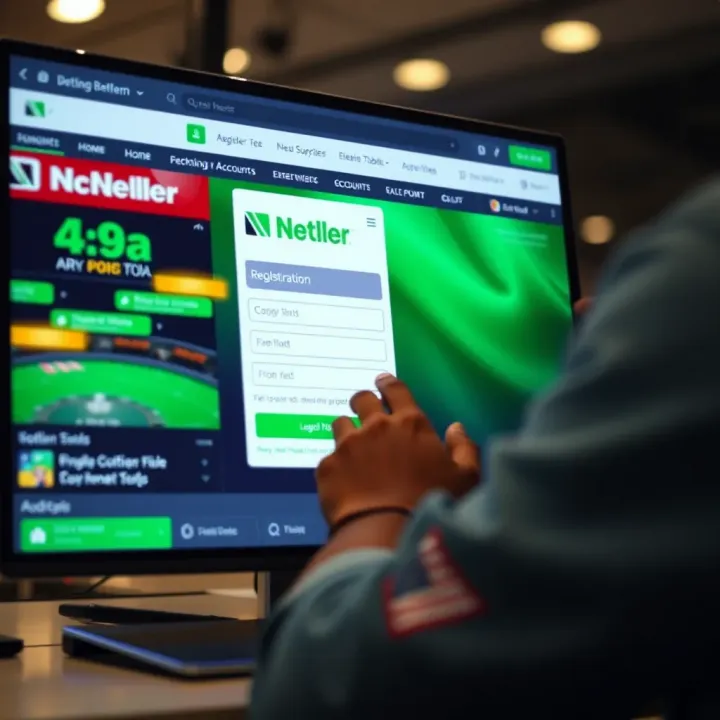
Remember, choosing the right funding method can save you on conversion fees and processing time. For instance, using a local transfer usually costs less than card top-ups.
With your account funded, sending money is as easy as a few clicks. Whether paying for subscriptions to Nigerian or international betting sites, transferring funds to friends or family abroad, or withdrawing to your bank account, 49ja Neteller supports swift, reliable transactions. The platform also supports multiple currencies, helping users avoid the common pitfalls of exchange rate fluctuations.
Security is top-notch, employing two-factor authentication (2FA) and encryption to protect your funds and data. However, Nigerian users should always remain cautious of phishing attempts and avoid sharing passwords or OTPs (One-Time Passwords) with anyone.
Using 49ja Neteller in Nigeria comes with several advantages:
Speed: Transactions often complete within minutes, which is critical for time-sensitive bets or payments.
Convenience: Manage your account entirely online without having to visit a bank.
Versatility: Works seamlessly with popular Nigerian fintech platforms for easy top-ups and withdrawals.
In summary, 49ja Neteller provides Nigerian users with a practical, secure way to handle electronic payments, especially for cross-border activities. Understanding how to navigate registrations, fund your account smartly, and use secure practices will maximise benefits while avoiding common local challenges like high fees or delays.
Grasping the role of 49ja Neteller in Nigeria's financial and digital space is key to making the most of this service. It’s not just another digital wallet; it offers convenience for cross-border transactions, essential for Nigerians involved in gaming, freelancing, online shopping, and forex trading. Knowing its features and place in Nigeria’s fintech ecosystem helps users avoid pitfalls and maximise benefits.
Neteller is a global online payment system widely used for sending and receiving money securely across borders. It allows easy transfers, purchases, and withdrawals without traditional banking delays. This system supports multiple currencies, including the Nigerian Naira, making international payments more accessible to Nigerians.
49ja Neteller is a localised brand of this global platform tailored specifically for Nigerian users. It adopts features that suit the country's unique financial landscape, including integration with local banks, support for naira transactions, and compliance with Nigerian financial regulations. This local touch means better support for issues common to Nigerian users, like funding delays and currency volatility.
The primary users of 49ja Neteller in Nigeria include online gamers who need quick deposits to betting sites, freelancers needing timely payment from foreign clients, and small business owners engaging in cross-border e-commerce. In Nigeria’s growing fintech space, 49ja Neteller bridges the gap between local banking challenges and international payment needs.
Compared with other wallets like OPay, PalmPay, or Flutterwave, 49ja Neteller specialises in international payments, while others focus more on domestic transactions. Its strength lies in handling forex well and offering faster wallet-to-wallet transfers globally. However, unlike some local wallets, using 49ja Neteller may involve fees that need monitoring to avoid surprises.
Users commonly depend on 49ja Neteller for various activities: making purchases on international e-commerce platforms, funding gaming websites where Nigerian laws or banks restrict direct payment, sending or receiving payments for freelancing gigs abroad, as well as dealing in forex trading platforms. These use cases highlight 49ja Neteller’s role in filling a niche where local payment systems fall short.
On integration, 49ja Neteller connects with most Nigerian banks through bank transfers and USSD codes, allowing users to fund wallets and withdraw funds conveniently. It also works with fintech players like Paystack and Flutterwave, enhancing payment options for merchants and individual users. This interconnectedness makes it a practical option for those who want smooth payment flow between local and international services.
Understanding these aspects can help Nigerian users make informed decisions and navigate challenges when using 49ja Neteller, securing faster payments and better financial control.
Setting up and verifying your 49ja Neteller account is the first step to accessing its full range of payment services. For Nigerians involved in online gambling, forex trading, or freelancing, a verified account ensures smoother transactions and higher limits. It also safeguards against fraud—something no serious user can overlook.
Requirements for Nigerian users: To register, you’ll need a valid email address, your Nigerian mobile number, and a secure password. Importantly, you must provide your Bank Verification Number (BVN) during the process. This requirement helps 49ja Neteller comply with Nigerian financial regulations and ties your account to your verified national identity. For example, without your BVN, you may face restrictions on funding or withdrawals.
Account types and verification tiers: 49ja Neteller offers different account levels based on verification status. The basic account lets you deposit and pay up to a certain limit but restricts withdrawals. When you verify your identity, you unlock higher transaction thresholds and more features, like multi-currency wallets and faster withdrawal options. Nigerian users often start with a basic account but quickly upgrade by submitting additional documents to enjoy full service benefits.
Common pitfalls during sign-up: Registration may fail if details like email or phone number are d. Some users forget to verify their email or link their bank account, causing delays. Also, using an unregistered phone number or an inconsistent BVN can lead to account suspension. Double-checking your input details and reading the terms carefully helps avoid these problems.
Documents accepted for Nigerian account holders: Nigerian users can verify their identity with a national ID card, International Passport, or driver’s licence. Additionally, a recent utility bill or bank statement may be required to confirm your address. These documents must be clear and valid. For instance, a blurry scan of your driver’s licence will likely be rejected.
How verification improves transaction limits and security: Completing verification raises your daily and monthly transaction limits notably, allowing you to fund betting accounts or transfer larger sums for business purposes. It also activates robust security features like two-factor authentication, which is vital given the rising incidents of fraud targeting online wallets in Nigeria.
Typical timelines and support channels: Verification usually completes within 24 to 72 hours of document submission. If you face delays, 49ja Neteller offers customer support via email, live chat, and phone lines tailored for Nigerian users. Timely follow-ups and providing clear, legible documents speed up the process.
Without proper verification, your ability to enjoy the full benefits of 49ja Neteller is limited. Nigerian users should prioritise this step to avoid restrictions and enhance security.
Taking these steps seriously makes your experience with 49ja Neteller seamless, safe, and suitable for the fast-moving Nigerian digital economy.
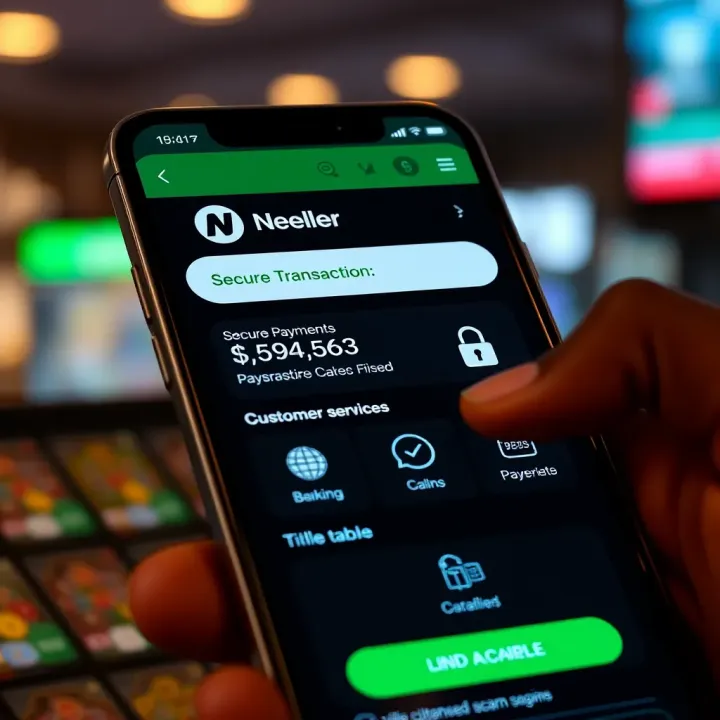
Funding your 49ja Neteller wallet is the first step towards seamless digital payments, whether for online gaming, forex trading, or shopping on international platforms. Managing transactions carefully ensures you avoid unnecessary fees and delays, which often frustrate Nigerian users. This section explains practical funding methods, how to conduct payments and transfers, and what to expect in terms of charges and exchange rates.
Using Nigerian bank transfers and USSD codes is one of the most straightforward ways to top up your 49ja Neteller wallet. Most Nigerian banks now support quick transfers directly to digital wallets via internet banking or mobile apps. USSD codes offer an alternative when data access is low; for example, customers can dial specific codes to move funds from their bank accounts to Neteller. This method is familiar and accessible, but delays sometimes occur during peak periods or with smaller banks.
Mobile money and card funding options provide convenient access to your wallet without visiting a bank branch. Mobile money wallets linked to vendors like Paga or MTN MoMo can fund Neteller accounts, especially in rural areas. Alternatively, cards issued by Nigerian banks such as GTBank or Zenith Bank allow instant deposits. Note that some debit or credit cards may have restrictions on international transfers, so verifying card eligibility before funding helps avoid failed transactions.
Third-party fintech platforms like Paystack and Flutterwave have become vital enablers in Nigeria's digital payments space. These platforms act as middlemen, simplifying deposits through various local payment methods including bank transfers, cards, and mobile wallets. For example, you might initiate a deposit on the 49ja Neteller app which then routes through Flutterwave, ensuring your funds reflect quickly. Their integration reduces friction compared to direct bank-to-wallet transfers and offers useful payment tracking.
When paying merchants locally and internationally, 49ja Neteller shines with support for global ecommerce and gaming sites. Nigerians use it to settle bills, shop for goods not easily available locally, or pay subscription services abroad without the hassles of forex access through banks. Transactions are typically fast, and with multi-currency support, you can avoid multiple exchange steps.
Sending money to other 49ja Neteller users is a quick way to transfer funds within Nigeria or abroad. Whether paying a freelancer or sharing stakes with friends in online games, peer-to-peer transfers within Neteller save the need for traditional bank transfers, which may be slower or costlier.
Withdrawal options for Nigerian bank accounts make converting your digital funds back to naira simple but require care. Withdrawals usually take one to two business days, depending on your bank and verification level. While GTBank and Access Bank often process quickly, smaller banks or rural fintech players may take longer. It's wise to maintain a buffer in your wallet to avoid delays in urgent payments.
Charges on deposits, withdrawals, and transfers vary but are generally transparent in 49ja Neteller’s fee structure. Deposits from Nigerian banks are often free or incur minimal fees, but withdrawals to Nigerian accounts may attract small charges, typically around 1% to 3%. Transfers between Neteller users might have no fee, but always check current terms to avoid surprises.
The impact of naira volatility on transaction costs can be significant. Since the naira fluctuates against the US dollar and euro, exchange rates applied by Neteller might not always be in your favour, resulting in higher costs during unstable periods. Users should watch CBN policy announcements carefully, as naira devaluations directly affect cross-border payment expenses.
To minimise extra fees, consider planning your transactions. Batch payments instead of multiple small transfers can cut costs. Use Nigerian cards or bank transfers rather than relying on international credit cards frequently. Also, keep your account verification updated to benefit from higher limits and better fee tiers.
Efficiently funding and managing your 49ja Neteller wallet not only saves you naira but enhances your experience across gaming, trading, and ecommerce. Paying attention to methods, fees, and exchange rates pays off in the long run.
Using 49ja Neteller in Nigeria offers several practical benefits alongside notable risks. It’s important to weigh these factors to make informed decisions, especially given the unique challenges of Nigeria’s digital payments environment. Understanding both sides helps you make the most out of the platform while staying protected.
49ja Neteller simplifies payments beyond Nigeria’s borders, making it invaluable for users involved in online shopping, gaming, and freelancing. Instead of relying on banks that impose high charges or foreign exchange complications, Nigerians can pay and receive funds quickly, whether buying from international merchants or withdrawing earnings from platforms like Upwork.
Many tech-savvy Nigerians appreciate how 49ja Neteller bridges the gap between naira and other currencies, allowing easier access to global markets. For example, a freelance programmer in Lagos can receive payments in dollars and manage those funds within Nigeria without repeated conversions or excessive fees.
Banks in Nigeria, while essential, often come with delays, long queues, and stringent documentation for international transfers. 49ja Neteller offers faster transactions, reducing waiting times from days to a matter of hours or minutes. This speed is crucial during ember months when business activity peaks and timely payments matter.
Moreover, the wallet allows users to manage funds digitally at any time without visiting a bank branch. It gives flexibility through mobile apps and web access, so you can send money or pay bills instantly even if NEPA disrupts power, unlike bank branches that may close early.
49ja Neteller supports a range of currencies, including the US dollar, euro, and British pound. This multi-currency feature helps Nigerian users hedge against naira fluctuations and transact with ease across borders.
For instance, an online retailer dealing with customers in Europe can hold euros directly in the wallet, avoiding constant conversions. This feature is especially useful now, as naira often suffers volatility against major currencies, giving users a bit of protection.
Nigeria’s digital space faces frequent fraud attempts, and 49ja Neteller users must stay vigilant. Phishing emails, fake websites, and social engineering are common tricks scammers use to steal login details.
It’s advisable to only access your account via official apps or sites, never share passwords, and be cautious if someone calls or messages claiming to be support. As fraudsters get creative, Nigerian users should stay informed about new threats and security updates.
Security is often the difference between a smooth experience and costly losses. Being proactive is key.
49ja Neteller employs two-factor authentication (2FA) to add a strong layer of defence. Enabling 2FA means your account requires a second verification step, usually a code sent to your phone, making unauthorized access harder.
Besides 2FA, use strong, unique passwords and update them periodically. Avoid public Wi-Fi for sensitive transactions, and keep your app updated to patch security holes. These simple steps prevent many common breaches.
49ja Neteller works under Nigerian fintech regulations, cooperating with the Central Bank of Nigeria (CBN) guidelines. This compliance ensures that fund transfers, anti-money laundering (AML), and customer verification processes meet legal standards.
Such regulatory adherence reduces risks like sudden account suspension and helps build trust among Nigerian users. It also means you get a more stable platform, with safeguards designed to protect both you and the broader financial system.
Some users experience delays when adding funds to their 49ja Neteller wallets, often due to bank processing times or naira liquidity constraints. For example, bulk transfers from smaller banks might take longer, affecting urgent transactions.
At times, naira scarcity can cause hold-ups in conversion to foreign currencies, slowing down withdrawals or payments. Users should plan for these delays, especially when dealing with tight deadlines or large sums.
Withdrawal limits and occasional account holds pose hurdles. Nigerian users sometimes face limits on daily or monthly withdrawals, especially if their accounts are not fully verified.
Also, due to regulatory reasons or suspicious activities, accounts might be temporarily frozen, leading to inconvenience. It’s critical to complete all KYC requirements fully and avoid sudden large transfers without notice to prevent these blocks.
Customer support is a mixed bag. While 49ja Neteller provides support channels, some Nigerian users report long response times or difficulty resolving certain issues promptly.
Patience and persistence help, but it’s wise to keep detailed transaction records and screenshots to back up claims when seeking assistance. Engaging support during off-peak hours sometimes improves chances of faster responses.
Taking these benefits and risks into account prepares you to use 49ja Neteller effectively within Nigeria’s fintech landscape, helping you navigate challenges and enjoy the platform’s conveniences with confidence.
Understanding how to maximise 49ja Neteller’s features can save you time and money while enhancing your overall payment experience in Nigeria. Whether you use the service for online betting, trading, or paying for services abroad, managing your account efficiently and considering alternatives ensures you stay ahead in a rapidly changing fintech space.
Keeping your verification status up to date is key to unlocking higher withdrawal and deposit limits. For instance, verifying your account with updated government-issued IDs and proof of residence regularly helps you avoid bottlenecks during busy periods, like ember months when transactions spike. This also reduces chances of account holds, which can be a major inconvenience if you depend on 49ja Neteller for trading or freelancer payments.
Tracking your 49ja Neteller transactions meticulously helps you manage budgets better and prepare for tax filings. For example, Nigerian freelancers paid in foreign currencies can record conversion rates alongside transaction amounts to monitor gains or losses due to naira fluctuation. Many find exporting monthly statements useful, especially when reporting earnings to bodies like the Federal Inland Revenue Service (FIRS) or for personal financial planning.
Using 49ja Neteller’s mobile app improves your access speed, reducing delays in sending or receiving funds. Considering mobile internet is often patchy in many parts of Nigeria, the streamlined app interface offers quicker navigation than desktop versions, making it easier to transact during peak times. Alerts and notifications on the app keep you informed, helping prevent missed transactions or unauthorised activities.
While 49ja Neteller is strong in international money transfers and forex services, platforms like OPay and PalmPay focus heavily on local payments including airtime purchases, bill payments, and transport fares. Flutterwave excels in merchant payments and business solutions, integrating smoothly with Nigerian banks and e-commerce sites. Choosing among these depends on your main use case, like if you mostly withdraw to Nigerian bank accounts or need faster local merchant payments.
For online gaming and forex trading, 49ja Neteller's multisystem compatibility and relatively stable exchange rates make it a robust choice. However, if you want seamless bill payments or transport booking, OPay or PalmPay might serve you better. It's worth testing each app to see which interface suits your workflow. Some users complement 49ja Neteller with Flutterwave for business payment collections.
Mixing platforms smartly can give the best of both worlds, balancing international transfer needs with local convenience.
Nigeria’s digital payment space is evolving fast, with increasing adoption of QR codes, USSD payment options, and biometric authentication. Expect tighter integrations between fintech apps and banks, improving funds movement speed and security. Cryptocurrencies are also gaining ground, though regulatory clarity is still pending. Staying flexible with your payment platforms, including 49ja Neteller, will keep you ready for these shifts.
By actively managing your account and being aware of alternatives, you can harness the full potential of 49ja Neteller and related services in Nigeria’s vibrant fintech ecosystem.
🎰 Get to know 49ja Mega Moolah RTP and why it matters to Nigerian players. Learn how to play smart, compare slots, and manage risks for better wins in ₦!

🎰 Explore the 49ja Book of Dead RTP slot game with detailed gameplay tips, RTP insights, and where to play safely in Nigeria. Maximise your chance to win ₦₦!
Based on 9 reviews