

Inside 49ja Twitter: Its Impact on Nigerian Youth
Discover how the 49ja Twitter handle drives conversations, entertainment, and news among Nigerian youths 🇳🇬, shaping the social media space with vibrant connections and fresh insights.
Edited By
Mark Ellison
Counter-Strike: Global Offensive (CSGO) has steadily gained traction in Nigeria, marking a new chapter in the country's gaming culture. The phrase 'CSGO 49ja' captures this unique blend—mixing the global reach of the FPS game with Nigeria’s vibrant local flavour. '49ja' is a popular slang for Nigeria, often used in music and youth culture, and now it’s making waves in the gaming community as well.
CSGO first started gaining attention among Nigerian gamers around 2015, but its growth accelerated with increased internet penetration and mobile connectivity improvements. More players now join online matches from cities like Lagos, Abuja, Port Harcourt, and beyond, forming a budding competitive scene. Many use platforms such as Faceit and ESEA for matchmaking, but local initiatives have begun to emerge, offering spaces tailored to Nigerian players.
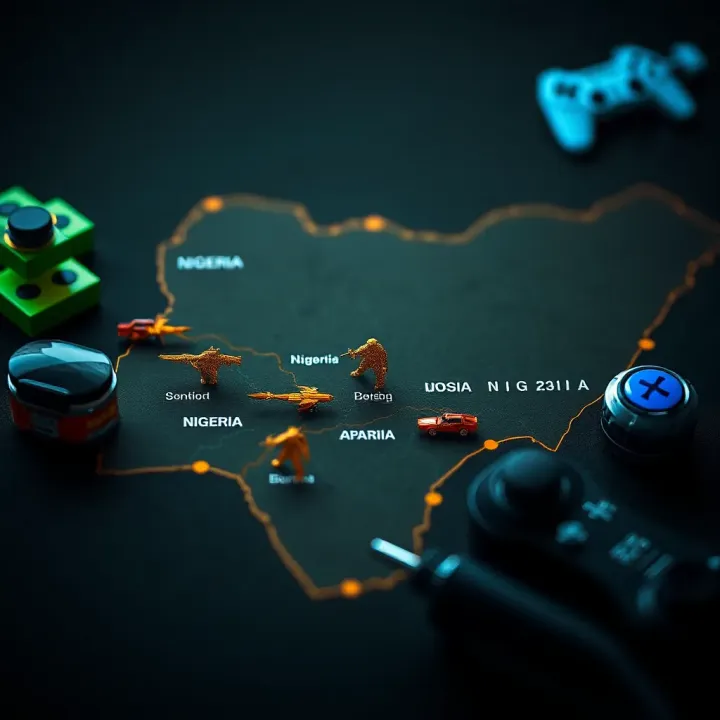
Several Nigerian gaming hubs have organised CSGO tournaments, both online and offline. For example, the Lagos Esports Open has featured CSGO as a headline event several times. These tournaments attract budding talents and seasoned players alike, offering prize pools that, while modest compared to global standards, are significant in the local context, sometimes reaching up to ₦2 million. This competitive environment nurtures skill development, camaraderie, and local sponsorship opportunities.
The rise of CSGO 49ja highlights how Nigerian players are not just consumers but active contributors to the game's culture. Their unique playstyles and community interactions shape a Nigerian identity within the global Counter-Strike universe.
However, challenges remain. Internet stability and speed vary widely, especially outside urban centres, causing issues in online gameplay. Additionally, access to high-quality gaming hardware is limited by high import costs and fluctuating naira rates. Many players rely on cybercafés or shared gaming spaces, which can restrict practice time.
Despite these hurdles, Nigerian esports companies and fintech platforms are slowly stepping in to support this growth. Initiatives like CashGameNG and Arena Africa are making tournament registration and prize payments smoother through localised payment methods, including USSD and bank transfers. This financial inclusion means more players can participate without worrying about international payment barriers.
Ultimately, understanding CSGO 49ja requires recognising it as a fusion of global technology and grassroots Nigerian passion. It's evolving fast and promises to be a defining part of the local gaming ecosystem.
'CSGO 49ja' symbolises Nigeria's growing engagement with Counter-Strike: Global Offensive.
Competitive scenes are blossoming, with tournaments offering real prizes up to ₦2 million.
Infrastructure and hardware challenges limit some players but don’t halt the expansion.
Local fintech solutions ease payments and tournament access, encouraging community growth.
Keeping an eye on CSGO 49ja gives insights not only into gaming but also into Nigeria’s digital culture at large.
Counter-Strike: Global Offensive (CSGO) has steadily grown beyond its global reputation to become a staple in Nigeria’s gaming culture. Understanding this rise helps grasp how the game serves not only as entertainment but also as a platform for community building and skill development among Nigerian youth. It’s no longer just a foreign game; CSGO in Nigeria represents a vibrant ecosystem where players connect, compete, and even forge careers.
CSGO is a first-person shooter developed by Valve Corporation, released in 2012 as a follow-up to earlier Counter-Strike versions. The game quickly gained global traction due to its team-based gameplay, competitive ranking system, and strategic depth. Internationally, CSGO grew to become one of the top esports titles, supported by major tournaments like ESL One and the Intel Extreme Masters.
In Nigeria, CSGO entered the scene through the internet cafes and LAN parties that dot cities like Lagos and Abuja. The game’s relatively low hardware requirements made it accessible to youths with average gaming setups or access to cybercafés. Popular platforms like Steam and gaming communities on WhatsApp and Discord accelerated its adoption. For many Nigerian gamers, CSGO offered more than a pastime; it became a way to engage in global competitions and develop new skills.
The cultural appeal of CSGO among Nigerian youth is rooted in its balance of teamwork and individual skill. Many players find excitement in coordinating strategies with teammates, reflecting the communal spirit often emphasised in Nigerian society. Plus, the thrill of competition taps into a growing esports culture, where local teams aspire to gain recognition and sponsorships. The in-game terminology and quick reflex requirements also match the fast-paced vibe of Nigerian urban life, making it a natural fit.
In Nigerian slang, ‘49ja’ is a playful stylisation of ‘Naija’, itself a popular nickname for Nigeria. While ‘Naija’ captures the essence of Nigerian identity, ‘49ja’ nods to local creativity in language use, blending numbers and letters as a form of coded expression. This type of slang is common in online spaces where gamers want to signal cultural pride while standing out.
The term ‘CSGO 49ja’ resonates deeply because it links the global game directly to Nigerian identity. It signals that Nigerian players have made CSGO their own, adapting it to local tastes and dialects. It also serves as a badge of belonging within Nigeria’s growing gaming community, representing pride in mastering a prominent esports title.
On social media and gaming forums, ‘49ja’ often appears in hashtags, usernames, and chat slang. This usage helps Nigerian gamers communicate a shared cultural background and connect with others who understand the nuances of the local gaming scene. The term enriches discussions by providing a distinctly Nigerian flavour, helping players network and celebrate their achievements.
The rise of CSGO in Nigeria goes beyond gameplay; it's about how the community shapes identity and connection through shared cultural expressions like ‘49ja’. This highlights a unique fusion of global gaming trends with distinctly Nigerian creativity.
The CSGO community in Nigeria has grown significantly, becoming a vital hub for gamers who want to sharpen their skills and connect with like-minded peers. This scene forms the backbone of CSGO 49ja, the local flavour of the global Counter-Strike: Global Offensive game. The community not only offers entertainment but also provides pathways for talent development, competitive opportunities, and social engagement.
Nigerian players gather across several online platforms to discuss, organise matches, and share tips. Popular spaces include dedicated forums on Facebook, Discord servers tailored for local gamers, and Whatsapp groups where quick communication happens in real-time. Facebook’s groups act as the largest accessible platform for many, especially those who may not have access to more advanced apps. These groups typically host announcements of tournaments, matchmaking sessions, and discussions on game updates.
WhatsApp, Discord, and Facebook play crucial roles in holding the community together. WhatsApp groups tend to be close-knit circles where players coordinate gaming sessions or share strategies quickly. Discord offers more robust voice and text communication, ideal for real-time team coordination and streaming matches. Meanwhile, Facebook reaches a broader audience and doubles as a promotional tool for upcoming events or new player introductions.
Influencers and streamers significantly boost local interest by showcasing gameplay, offering tutorials, and building excitement around tournaments. Nigerian CSGO streamers on platforms like YouTube and Twitch have cultivated loyal followings, with some collaborating with gaming centres and brands to organise live events. Their presence helps demystify competitive play and encourages newcomers to join the fray.
Several local tournaments now act as key milestones for Nigerian CSGO players eager to test their mettle. Events like the "Lagos CSGO Cup" and smaller city-based competitions provide structured competitive environments, bringing players from different states together. These tournaments also create opportunities for players to win cash prizes and equipment, crucial motivators given the high cost of gaming gear locally.
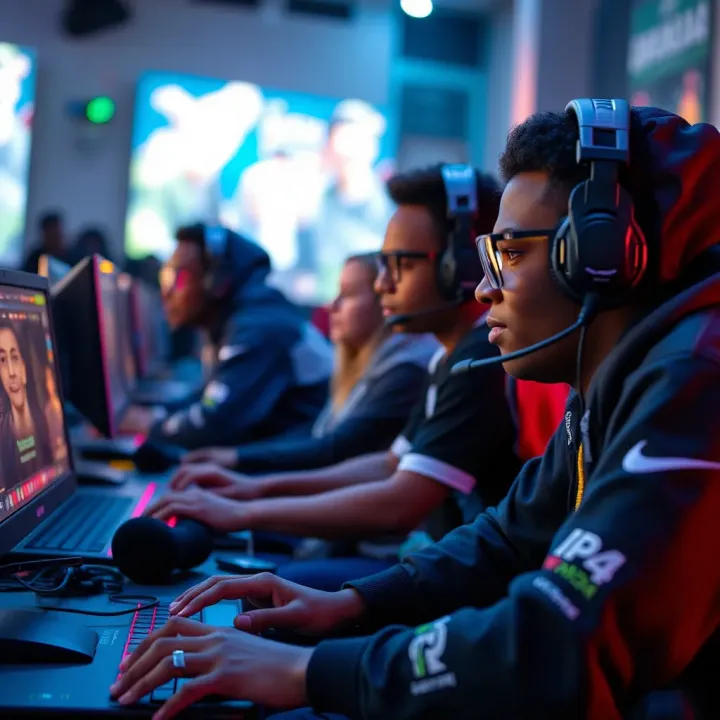
Organisers and sponsors are essential in keeping these tournaments running. Companies like MTN Nigeria and gaming cafes such as "4Gamers Hub" have stepped up to provide financial support and infrastructure. These sponsors inject life into the scene by funding prize pools, offering marketing, and even sponsoring promising teams. The collaboration between private sector players and grassroots organisers is still growing but is already delivering tangible boosts to the esports ecosystem.
Player profiles are emerging steadily, with teams like "Naija Sharpshooters" garnering attention for their tactical prowess and teamwork. Individual stars, such as Adebola "Ace" Okafor, are becoming household names within the community, inspiring younger players. These players often balance gaming with other commitments, resembling many Nigerian youths’ hustle to turn passion into profession.
The Nigerian CSGO scene is no longer just about casual play; it represents an evolving ecosystem with active communities, sponsored competitions, and rising stars ready to make waves beyond national borders.
This vibrant community and competitive environment underpin the growing influence of CSGO 49ja, planting seeds for a sustainable future in Nigerian esports.
Nigerian gamers commonly connect to servers located in Europe and North America due to the lack of local CSGO servers. Popular choices include servers hosted in Amsterdam, Frankfurt, and London. These servers provide reasonable latency for Nigerian players compared to others further afield. However, high ping and occasional lag remain an issue, affecting gameplay fluidity and reaction times.
Steam, the primary platform for purchasing and playing CSGO, serves as the gateway for most Nigerian players. However, accessing Steam and certain game features often requires the use of Virtual Private Networks (VPNs) due to regional restrictions or internet throttling by local ISPs. VPN use presents its own challenges, including connection drops, higher latency, and sometimes security concerns. As a result, reliable internet infrastructure becomes crucial to have a smooth gaming experience.
Internet stability in Nigeria significantly shapes how players experience CSGO. Many gamers face irregular internet speeds and frequent disconnections, especially during peak hours. Power outages add to this problem, causing interruptions in matches. These issues emphasise the need for better broadband coverage and more affordable, reliable internet packages tailored for gamers across Nigerian cities and towns.
Cybercafés and gaming hubs serve as important access points for CSGO players, especially for those without personal gaming setups. Cities like Lagos, Abuja, and Port Harcourt have numerous centres equipped with gaming PCs and fast internet that offer affordable hourly rates. These places also create a social atmosphere where players can meet, share tips, and build local teams.
The cost of playing CSGO varies but remains a barrier for many. Owning the game itself requires a one-time payment, often approximating ₦3,000 to ₦5,000 on Steam. However, the bigger expense lies in hardware—decent gaming computers or laptops can cost between ₦150,000 and ₦300,000 or more. Cybercafés offer a more affordable alternative, with hourly rates ranging from ₦100 to ₦300, making them popular among students and young professionals.
Social and economic factors also influence who accesses CSGO in Nigeria. Players from middle-class backgrounds with access to good internet and gaming equipment tend to dominate the scene. Still, gaming hubs help bridge gaps by providing shared resources. Moreover, the growing interest in esports among youths motivates investments from local entrepreneurs who see a business opportunity in creating more inclusive gaming environments.
Reliable online and offline access points are key to sustaining Nigeria’s CSGO community, enabling gamers to connect, practice, and compete despite infrastructural limitations.
The journey for Nigerian gamers in the Counter-Strike: Global Offensive (CSGO) scene is often steered by hurdles that go beyond just in-game competition. Understanding these challenges sheds light on why local talents sometimes struggle to break through internationally despite their passion and skill. Addressing these barriers is essential not only for players’ growth but also for the development of a sustainable esports ecosystem in Nigeria.
Reliable internet is the backbone of any competitive online game, and Nigerian players face notable difficulty here. Many parts of the country still struggle with slow and unstable connections, which can cause frustrating lag spikes or disconnections during intense matches. For example, a player in Lagos might suddenly lose connection due to a congested network during peak hours, impairing performance and morale.
In practical terms, inconsistent internet limits Nigerian gamers’ ability to join ranked matches or international tournaments where milliseconds affect outcomes. This often forces players to seek VPNs or alternative servers, complicating the gaming experience further.
Power supply remains another big obstacle. Regular outages, especially during the ember months, disrupt gameplay abruptly. Imagine being in a clutch situation when suddenly your generator or NEPA power fails—such unpredictability affects practice routines and competitive readiness.
For many, buying fuel for generators adds an extra financial burden while also impacting their gaming hours. This unreliable power means some players depend on gaming centres to get uninterrupted playtime, but even these can be costly or overcrowded.
Quality gaming gear like high-refresh-rate monitors, responsive keyboards, and gaming mice are expensive and often imported at high costs. Many Nigerian players rely on tokunbo (second-hand) equipment, which may not match the performance standards needed for fast-paced shooters like CSGO.
A typical gaming PC setup suited for CSGO could cost upwards of ₦250,000, beyond the reach of average youths who juggle multiple priorities. Limited access to affordable, good-quality gear means players often lag behind international peers in reaction time and accuracy.
Purchasing premium game content, skins, or tournament entry fees requires smooth payment options. However, Nigerians often confront problems due to the fluctuating exchange rate of the naira against the dollar, and restrictions on international transactions.
Many gamers report their debit cards being declined when trying to fund their Steam wallets, pushing them towards unreliable third-party sellers. This not only risks financial loss but also hinders access to full gaming experiences.
The Nigerian government is still catching up with regulating esports and gaming, which affects clarity on taxation, sponsorship approvals, and infrastructure support. Unlike countries with clear esports policies, local players and organisers navigate a grey area that can stall investment and event planning.
For instance, some states have yet to recognise esports as a viable career path or industry, limiting support for aspiring professionals. Without regulatory backing, providers of gaming centres may hesitate to expand due to uncertain legal environments.
Severe underfunding restricts the growth of Nigerian CSGO teams and tournaments. Compared to the football or entertainment sectors, esports attracts less corporate sponsorship or government grants. Few brands are willing to invest seriouly in this space, leading to shortfalls in prize money and event quality.
Players often fund their participation in events out of pocket, limiting attendance at international competitions where they could gain exposure. This lack of financial support also means less access to coaching, training facilities, or marketing resources that boost player visibility.
Tackling these challenges head-on will encourage more Nigerian gamers to thrive locally and internationally, fostering a vibrant CSGO scene that reflects the nation’s growing digital potential.
The growth trajectory of CSGO and esports in Nigeria isn't just a passing trend; it reflects deeper changes in technology access, community engagement, and economic opportunities. Understanding the future prospects helps gamers, organisers, and sponsors prepare for what lies ahead and tap into emerging possibilities.
Nigeria’s expanding internet coverage and cheaper smartphones have opened access to more gamers than ever before. With telcos like MTN and Airtel improving their 4G and introducing 5G in some cities, youths in both urban and peri-urban areas now can join online esports platforms without severe connectivity hiccups. For example, mobile-friendly esports apps mean players do not always need gaming rigs; many can play or follow competitions on phones, dramatically broadening participation.
The rapid growth of affordable data plans also enables players to watch tutorials, stream gameplay, and connect with global esports content. This digital entry point provides practical benefits such as learning new strategies and joining online tournaments promptly.
In recent years, Nigerian esports outfits like UpRise Esports and Entity Gaming have stepped up, providing structure and visibility to local players. These organisations organise regular tournaments that attract sponsorship from tech brands and beverage companies, which invest millions of naira annually. Their effort is vital because it offers platforms for Nigerian CSGO players to showcase talents and gain professional training.
Additionally, sponsorship by local energy drink brands and telecommunication companies shows confidence in esports as a market. These collaborations enrich the ecosystem by allowing organisers to offer better prizes, broadcasting quality, and prize pools, which further motivate players.
Several initiatives now incorporate gaming into formal and informal learning. For instance, some universities and private centres offer specialised courses or workshops on gaming mechanics, team management, and streaming techniques. Organisations like the Nigerian Esports Association collaborate with schools to raise awareness about esports careers.
Training academies focusing on esports skills and mental fitness give players the edge to compete internationally. Such education moves beyond gameplay, including areas like branding and digital marketing, which are crucial for sustaining a professional gaming career.
Nigerian CSGO players benefit greatly from freely available online tutorials, live streams, and forums. Platforms like YouTube and Twitch host Nigerian and international professionals who share walkthroughs, game reviews, and tactical advice. Engaging consistently with these resources helps players sharpen aiming, map awareness, and communication skills.
Moreover, subscription-based coaching platforms such as Gamer Sensei provide personalised feedback, allowing serious players to accelerate their development. Using such tools increases chances to win local and regional tournaments.
Joining active local groups on Discord, WhatsApp, and Facebook can turn casual gamers into serious rivals and friends. These communities organise scrimmages, share game updates, and offer moral support during competitions. For example, the "CSGO 49ja" community on Discord fosters connections across states, making travel and team formation for tournaments easier.
Community support also attracts potential sponsors and opens doors for collaborations with Nigerian tech startups and media houses. It creates a unified front to lobby for better gaming infrastructure and policies.
Taking part in African esports tournaments such as the Esports African Championship or events organised by the African Esports Federation exposes Nigerian players to higher competition levels. Although travel and registration costs can be challenging, players who attend gain vital experience and visibility.
This exposure often leads to invitations to international events or contracts with global teams. Nigerian players like those from Zeal Esports are gradually making names beyond local circles, demonstrating that involvement in these events is a practical step toward building a strong esports presence.
Esports in Nigeria is moving beyond pastime; it’s a career path waiting to be carved with the right skills, networks and exposure.
Discover how the 49ja Twitter handle drives conversations, entertainment, and news among Nigerian youths 🇳🇬, shaping the social media space with vibrant connections and fresh insights.
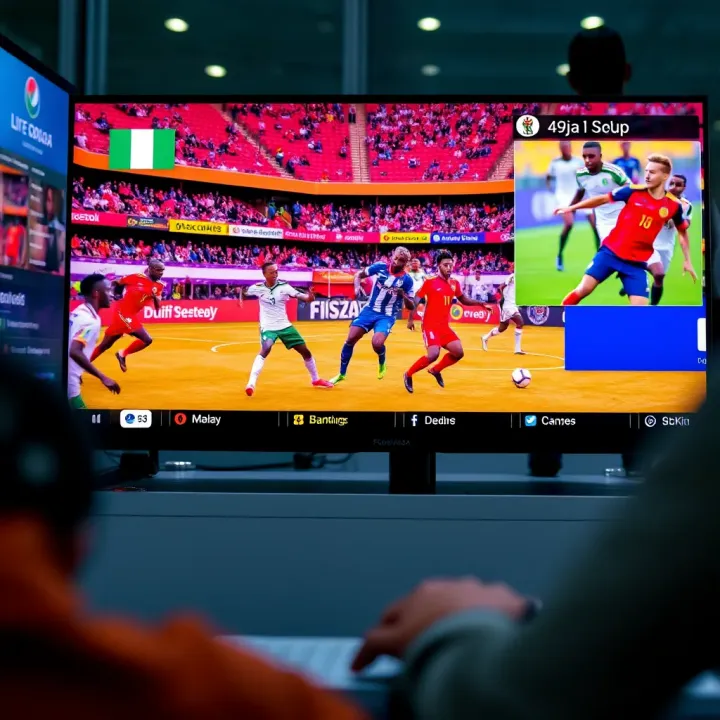
⚽ Watch 49ja Futbol24 Live for smooth Nigerian football streaming, real-time scores, plus local and global team updates. Stay legal and enjoy quality matches anywhere!
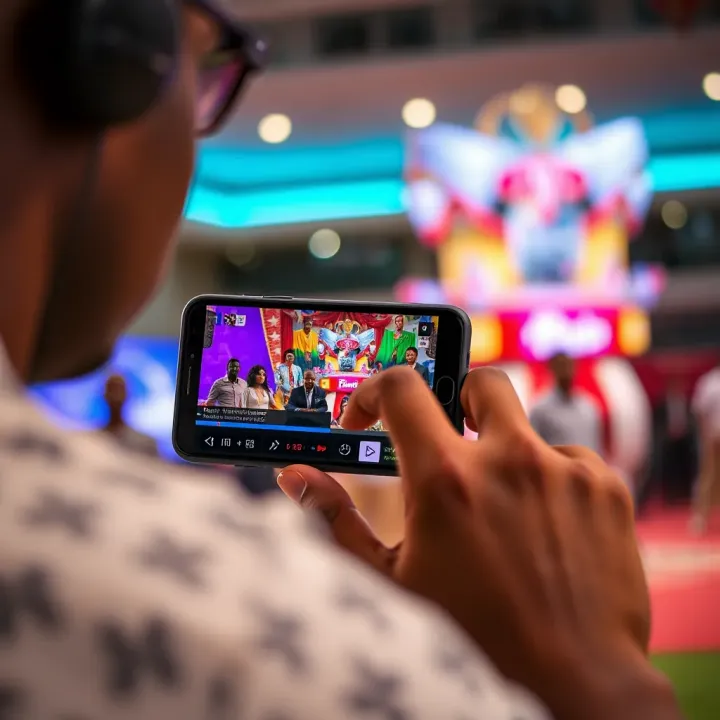
Explore 49ja livestream 🎥 in Nigeria 🇳🇬! Discover top platforms, social trends, data challenges 📶, plus tips for smooth viewing and content creation across Naija.

Explore 49ja Aviator 🎮, Nigeria’s popular gaming platform. Learn how it works, key features, effective strategies, legal status, and tips for responsible play. ₦-friendly insights await!
Based on 14 reviews