
Understanding 49ja No Deposit Bonus for Nigerian Gamers
🎰 Learn how the 49ja no deposit bonus works for Nigerian gamers. Discover smart tips to pick legit platforms, avoid risks, and boost your ₦ winnings safely!
Edited By
David Morgan
Live streaming has reshaped entertainment and social interaction in Nigeria, and 49ja livestream plays a central role in this shift. This digital trend involves broadcasting live video content over the internet, allowing real-time engagement between content creators and viewers.
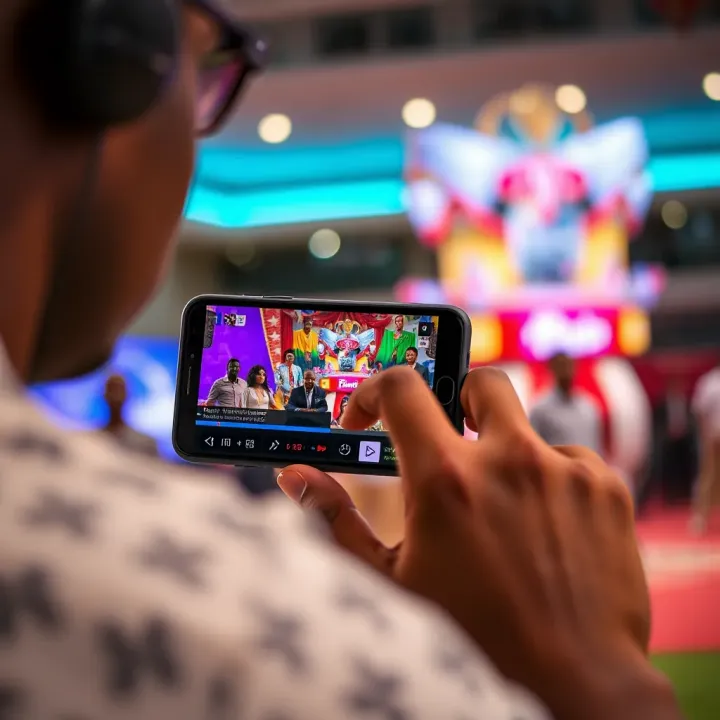
The term "49ja" refers to a local spin on streaming that reflects Nigerian culture and preferences. It often features diverse content — from music performances, sports commentary, and esports to discussions about politics and daily life. Unlike traditional media, livestreams create a direct connection, letting viewers chat, ask questions, or support creators immediately.
A handful of platforms dominate the live streaming scene here:
YouTube Live: Favoured for its large audience base and monetisation options. Many Nigerian vloggers and musicians use it to broadcast concerts or events.
Facebook Live: With Nigeria’s massive Facebook user base, this remains a top choice for informal broadcasts, especially among community groups and event organisers.
Instagram Live: Perfect for quick sessions, often used by influencers and celebrities to share behind-the-scenes moments.
Twitch: Growing in popularity, especially among gamers and esports fans, offering a niche but increasingly engaged audience.
Despite the buzz, live streaming faces hurdles in Nigeria. Data costs tend to be high, making it tough for many to stream smoothly or watch for long periods. Network quality can be patchy outside major urban centres, affecting video clarity and causing buffering.
To get the best from 49ja livestream, using a good data bundle or fibre optic connection is key. Some providers like MTN and Airtel have data plans optimised for streaming platforms.
For viewers:
Pick platforms that balance quality and accessibility based on your network.
Use headphones to improve audio experience during live events.
Engage through comments or reactions for a fuller experience.
For content creators:
Choose the right platform depending on your target audience (gamers to music lovers).
Pay attention to lighting and sound quality to stand out.
Consider scheduling consistent streaming times to grow loyal followers.
Understanding these basics helps you navigate Nigeria’s lively livestream scene cleverly. Whether you're chasing big wins in online betting streams or tuning into cultural concerts, 49ja livestream offers an exciting window into Nigerian entertainment online.
Livestreaming has become a major part of Nigeria's internet culture, offering new ways to consume content and interact online. It matters because it bridges gaps in entertainment, education, and social participation, all while reflecting Nigerian realities like network challenges and data costs. Understanding this growth helps you grasp how people watch cultural shows, follow political events live, or attend webinars without leaving home.
Nigeria's rapid increase in internet penetration and smartphone adoption has laid the groundwork for livestreaming to flourish. In 2023, about 50% of the population had internet access, mainly through affordable android smartphones sold as tokunbo or new models from brands like Tecno and Infinix. This affordability made it possible for many Nigerians to watch live streams anytime, anywhere — even at a mama put roadside joint using mobile data.
The rise of 4G networks across urban centres and even some rural areas means viewers are now more capable of handling video streams without constant buffering. Platforms like MTN and Airtel offer data plans tailored for streaming, including night browsing bundles, making it practical despite lingering issues with power outages forcing use of generators.
Social media giants such as Facebook, Instagram, and YouTube have played a huge role in pushing livestreaming to everyday Nigerians. These platforms provide easy-to-use live features integrated straight into their apps, requiring no special tools or high technical skill. For instance, musicians often do Instagram Live sessions for afrobeats releases, and grassroots influencers host Facebook Live Q&As on trending topics.
YouTube Live has allowed Nigerian creators to monetise while streaming concerts or religious programmes, attracting viewers from home and abroad. The viral nature of these platforms fuels interest, as viewers share exciting moments in real-time, sparking conversations in Lagos markets or on WhatsApp groups.
The real spark came from Nigerians themselves producing relatable livestream content. From up-and-coming musicians in Ajegunle sharing rehearsal clips to Abuja-based educators hosting exam crash courses, these content creators have made livestreaming more than just foreign tech jargon — they made it familiar and useful.
Platforms like Nairaland forums and WhatsApp groups helped these local creators gain visibility and feedback rapidly. Many storytellers, comedians, and even traditional leaders started streaming cultural festivities and ceremonies, connecting older customs with digital audiences effectively.
For Nigerians living overseas, livestreaming closes the gap between them and home events. Instead of missing out on weddings, naming ceremonies, or even birthdays, family members abroad can watch real-time streams on platforms like YouTube or Facebook — creating a shared experience that’s especially vital during periods of travel restriction.
This connection sparks emotional bonds and cultural pride as the diaspora participates virtually, commenting, sending gifts after streams, or planning trips based on shared moments. On top of that, livestreams sometimes become sources of news about local happenings, reassuring those far away about family welfare and community events.
Livestreaming has become a window to Nigerian culture beyond its borders. Events like Lagos Fashion Week or the MR BIGGA concert often stream live, reaching viewers globally. This exposure supports the creative economy by attracting investors and generating buzz for Nigerian talent in music, film, and fashion.
Moreover, political rallies and peaceful protests have used livestreams to amplify voices that might otherwise go unheard internationally. This transparency strengthens Nigeria's digital presence on the world stage and educates foreigners about Nigerian issues directly.

At the community level, livestreams serve as practical tools for engagement. Local governments sometimes livestream town hall meetings or announcements, cutting down on misinformation. Religious bodies have shifted much of their programmes online, enabling parishioners in Lagos, Kano, or Port Harcourt to join services without leaving home.
Community leaders use livestreaming to reach youth groups or organise market women meetings, making civic participation more accessible. It also encourages accountability from local officials since sessions become open to public scrutiny.
Livestreaming in Nigeria is no longer a novelty. It has become a useful part of daily life, blending entertainment, culture, and social participation while tackling local challenges with a Nigerian flavour.
Understanding this rise helps you appreciate why 49ja livestream culture is vibrant and growing — a true reflection of Nigeria’s evolving digital society.
In Nigeria’s bustling digital scene, the choice of livestream platform shapes both the reach and quality of live content. Popular platforms serve as vital channels where creators and audiences meet, each with its strengths and practical uses. Understanding these platforms helps Nigerian users choose what fits their needs best and navigate the challenges of data costs, connectivity, and audience engagement.
YouTube Live stands out for offering reliable streaming with decent video quality even on slower internet connections. Its massive user base means Nigerian creators can tap into both local and diaspora viewers. Features like live chat, donations, and the ability to schedule streams add layers of interactivity useful for music concerts, panel discussions, and product launches.
For example, many Nigerian musicians use YouTube Live to showcase afrobeats performances with clear video and sound, which helps reach fans beyond Nigerian borders. The platform’s analytics tools also help streamers track viewership trends, essential for content optimisation.
Facebook Live benefits from Nigeria's widespread Facebook use, particularly among those less inclined to seek content on YouTube or Instagram. It enables direct sharing across personal profiles, groups, and pages, which helps events like church services, town hall meetings, or local market activities reach the relevant audience quickly.
Many community leaders use Facebook Live to engage constituents since the platform supports mobile access even in low-bandwidth areas. The combination of sharing and notifications keeps viewers informed easily about ongoing streams.
Instagram Live suits creators targeting younger Nigerian audiences, especially in urban areas with better internet access. Influencers leverage its real-time interaction to host Q&A sessions, behind-the-scenes glimpses, and brand collaborations with smooth video and integrated comment features.
The platform’s Stories and Reels complement livestream efforts, allowing content to stay visible after the live session ends. Agencies and businesses in Lagos or Abuja frequently use Instagram Live to boost product awareness interactively.
These fintech platforms have begun integrating livestream tools mainly to promote their financial services and support merchants. OPay’s live streams often showcase product demos and merchant stories, offering users direct ways to engage with service providers and conduct transactions seamlessly during the broadcast.
PalmPay similarly uses livestreaming to highlight promotional offers and entertainment content, reflecting an effort to keep users within their ecosystem. This approach caters well to Nigerians who prefer combining financial transactions and content consumption on one app.
Nairaland, Nigeria’s largest forum, remains a vital source of grassroots advice and reviews on livestreaming tools and platforms. Users share their experiences on setups, data-saving tips, and best practices for content creation. These discussions often highlight affordable gear and network hacks relevant to Nigeria’s unique connectivity environment.
This resource helps newcomers and seasoned streamers alike stay updated with practical, user-driven insights often not covered in mainstream tech sites.
Despite their promise, local livestream platforms face hurdles like unstable funding, limited technical support, and difficulties competing with global giants. Many struggle with server reliability and low user trust, which affect stream quality and audience growth.
High data costs in Nigeria also discourage longer viewing times on these emerging platforms. Without addressing these issues, local services risk remaining niche rather than mainstream. Strengthening infrastructure and offering tailored content remain key to their growth.
Choosing the right platform depends on your content type, target audience, and available resources. Nigerian livestreamers must balance reach, cost, and technical demands to thrive in this growing digital frontier.
Livestreaming in Nigeria covers a wide range of content types that reflect the country's diverse social and cultural landscape. These streams are not just for entertainment but serve practical purposes—whether connecting communities, sharing knowledge, or promoting business activities. Understanding the typical categories helps you navigate the vast 49ja livestream space and choose content relevant to your interests.
Concerts, afrobeats showcases, and festivals attract huge attention on 49ja livestream platforms. With popular Nigerian artistes like Burna Boy and Tiwa Savage, fans across Nigeria and abroad can catch live performances without the traffic snarls or high ticket prices. Platforms such as YouTube Live and Instagram Live enable viewers to experience the vibrant energy of Lagos’s Felabration or Calabar Carnival in real-time. This immediacy keeps music lovers connected to the latest trends and cultural vibes.
Nollywood premieres and behind-the-scenes streaming have become equally important. Streaming a movie premiere or exclusive shoots offers fans unique access to stars and new productions, boosting engagement beyond cinema halls. For instance, live Q&A sessions or director commentary streamed on Facebook Live allow direct interaction, making the viewing experience richer while helping filmmakers promote their work effectively.
Church services and sermon livestreams increasingly dominate Nigerian livestream content. Many churches, especially during the COVID-19 pandemic and subsequent periods, shifted to online services to maintain their congregations. This practice remains popular, allowing those who cannot attend physically—whether due to relocation, health, or busy schedules—to participate in worship from anywhere. Lagos-based churches like the Redeemed Christian Church of God (RCCG) and Fountain of Life routinely offer high-quality live broadcasts to meet this demand.
Community meetings and traditional ceremonies also find their place on 49ja livestreams. Whether it’s a local council town hall or an Igbo traditional wedding, streaming these events promotes transparency and cultural sharing. It helps diaspora members witness family occasions and keeps non-indigenes informed about happenings in their communities. These live streams often blend cultural education with social cohesion, preserving traditions for younger generations.
Online classes and exam preparation sessions have gained traction, especially with increasing internet access across Nigeria. Educators stream live tutorials for WAEC, JAMB, or NECO preparations, allowing students outside major cities to access quality lessons without costly tuition. For example, channels focusing on mathematics or English live stream sessions multiple times a week, providing interaction through live chat features.
Business webinars and market analysis streams offer Nigerian entrepreneurs and investors timely insights. Platforms host live sessions on the naira exchange rate fluctuations, NSE share performances, or CBN monetary policies, equipping users to make informed financial decisions. Regular streams by fintech companies or market analysts serve as accessible tools for professionals who want up-to-date information without attending physical seminars.
49ja livestream’s typical content reflects a practical blend of entertainment, community, and knowledge-sharing, tailored to the Nigerian context. This dynamic mix helps content creators engage audiences meaningfully while enabling viewers to benefit in real time.
Livestreaming in Nigeria faces unique challenges that affect both content creators and viewers. Understanding technical and practical aspects is essential to navigate issues like data costs, device suitability, connectivity, and legal implications. These factors strongly influence whether a livestream is accessible, enjoyable, and lawful.
Video quality directly impacts data consumption. A high-definition (HD) stream at 720p or 1080p can use upward of 1GB per hour, which quickly burns through data bundles. On the other hand, streaming at lower resolutions like 240p or 360p significantly reduces data use, making viewing affordable for many Nigerians who rely on limited or costly internet packages.
Knowing the data demands lets users choose the best quality to balance clarity and cost. For example, a typical Nigerian viewer might select 480p for music concerts streamed live to conserve ₦500–₦1,000 worth of data if streaming lasts several hours.
Regarding affordable plans, many Nigerian network providers offer targeted data bundles ideal for video streaming. Glo and MTN, for instance, have daily and weekly bundles priced between ₦100 and ₦1,000, specifically for platforms like YouTube and Facebook. Leveraging USSD codes to check or subscribe to these bundles is a popular tactic.
These USSD shortcuts save time and help users avoid accidental over-spending on data. For example, dialing *131# on MTN or *777 on Glo guides users through simple menus to pick the best bundle. Regularly monitoring data balances this way prevents disruptions during a livestream.
A smooth livestream depends heavily on smartphone capability. Devices with at least 2GB RAM and a quad-core processor generally handle streaming apps well without freezing or lag, even on mid-range Nigerian networks. Older or low-spec phones often struggle, resulting in buffering or dropped connections.
Content creators aiming for quality must ensure their smartphones support HD video capture and stable broadcasting apps. Devices like the Tecno Camon or Infinix Hot series balance decent specs with affordability, fitting many Nigerian users’ budgets.
Network stability varies sharply between urban centres like Lagos and Abuja and rural areas. Urban users mostly experience 4G or even 5G (in limited zones), but network congestion during peak hours can degrade livestream quality.
Rural viewers mostly depend on slower 3G networks with frequent drops, so bandwidth-saving settings become vital. Switching to cell data over Wi-Fi in areas with unstable broadband also helps reduce interruptions. Apps that automatically adjust video quality based on connection speed are valuable here.
Livestreaming copyrighted music or video without permission risks takedown or legal action. Nigerian content creators, especially those in music or Nollywood, must be cautious to avoid infringing copyrights during their streams.
Platforms often monitor for unauthorised content and may mute audio or remove videos. Creators can minimise risk by using royalty-free tracks or securing licences from rights holders.
Respect for privacy is another key issue. Randomly broadcasting people without consent, especially in private or communal events, can cause disputes or harm reputations.
Livestream hosts should inform participants when filming is live and avoid sharing sensitive information. Applying clear ground rules for chat interactions also prevents misuse or harassment during streams.
Livestreaming is a powerful tool but demands careful attention to tech limits, costs, and ethics to build a positive Nigerian online community.
By addressing these considerations, Nigerian livestream users enhance their experience, avoid common setbacks, and maintain trust with audiences.
Livestreaming in Nigeria has grown dramatically, but to truly enjoy it, both viewers and content creators need practical strategies. These tips help you get clearer video, smoother sound, and overall better engagement despite challenges like spotty networks or limited resources. Whether you’re catching up on a live afrobeats concert or streaming your own event, optimising your experience can make all the difference.
Choosing the right platform for different content is essential because not all livestreaming sites or apps serve the same purpose well. For example, YouTube Live excels for high-quality music concerts due to its stable streaming and long video storage, while Instagram Live fits better for quick celebrity chats or influencer interactions where instant viewer participation matters. Facebook Live is popular among local church services and community meetings because many Nigerians already use Facebook daily, making access easy without extra downloads.
Always think about what you want to watch and pick a platform that suits that need. It saves data and frustration, especially if you have a limited data bundle. For instance, if you want to catch a Nollywood premiere, a platform with decent video compression and buffering options will serve you best.
Optimising watching conditions on mobile devices helps you avoid common frustrations like endless buffering or poor sound. Since smartphones are the primary devices for streaming in Nigeria, make sure your phone’s battery is charged, close apps running in the background to free memory, and lower video quality to 480p or 720p if your internet is unstable. Using headphones can also greatly improve audio clarity, blocking out Lagos traffic noise or other distractions.
Also, find the spot with the strongest network signal, such as near a window or outside if safe. This simple action often reduces buffering and disconnections, especially in urban areas with fluctuating network coverage. An affordable powerbank could be helpful too, preventing interruptions if power goes out unexpectedly during an evening owambe streamed live.
Improving video and audio quality with limited resources is a challenge many Nigerian streamers face but can be managed with some smart moves. Use natural lighting like sitting near a window during the day instead of investing in bulky lights. For sound, a simple lapel mic plugged into your phone improves audio much better than the inbuilt microphone, especially if you are outdoors.
Keep your stream steady by propping your phone on stable surfaces like a stack of books or affordable tripods from local markets. This setup prevents shaky videos that turn viewers off. Apps like Open Camera or Filmic Pro also offer manual controls to tweak exposure and focus at no extra cost, delivering sharper visuals.
Engaging with Nigerian viewers effectively means connecting beyond just going live. Respond to comments and shout out viewers from different regions – Lagos, Aba, Kano – which builds a sense of community and loyalty rather quickly. Use local slang or mentions of popular Nigerian culture, such as suya spots or recent Naija football results, to resonate better.
Regular scheduling also helps. Nigerians tend to plan their viewing around their daily rhythm, so a fixed streaming time in the evenings or during weekends increases return viewers. Remember, content tailored with cultural touches and interaction often spreads faster through word of mouth and social media shares.
Quality livestreaming is not just about top equipment but knowing how to adapt smartly to Nigeria’s unique challenges. These tips can raise your experience from average to outstanding.
🎰 Learn how the 49ja no deposit bonus works for Nigerian gamers. Discover smart tips to pick legit platforms, avoid risks, and boost your ₦ winnings safely!

Discover 49ja Virtual Live 🌐—Nigeria's vibrant digital platform blending entertainment and business. Learn how to join, engage well, and benefit from this unique experience.
Discover how the 49ja Twitter handle drives conversations, entertainment, and news among Nigerian youths 🇳🇬, shaping the social media space with vibrant connections and fresh insights.

🔍 Understand 49ja app permissions, how they protect your data and device security. Get tips to control access and enjoy features safely on your phone. 📱
Based on 7 reviews