

Best Aviator Gaming Sites in Nigeria
Looking for the best Aviator gaming site in Nigeria? 🎮 Discover trusted platforms, secure payments like USSD or ₦-wallets, top site features, and safe play tips here!
Edited By
Charlotte Mitchell
Aviator glasses have been around for decades and still hold their spot as a favourite eyewear choice, not just for their style but also their practicality. Originally designed for pilots in the 1930s, these glasses were meant to protect eyes from glare and harmful rays while flying at high altitudes. Today, they have crossed from the skies to the streets, becoming a common accessory in Nigeria’s bustling cities and sunny rural areas alike.
Their iconic design, featuring a large teardrop-shaped lens and thin metal frames, is more than just for show. This shape offers a wide field of vision and excellent coverage from the sun, which is important under Nigeria’s intense equatorial sun. Whether you're cruising in a danfo through Lagos traffic, riding an okada under the blazing sun, or catching some fresh air at a local mama put, aviators help keep glare off your eyes and reduce strain.
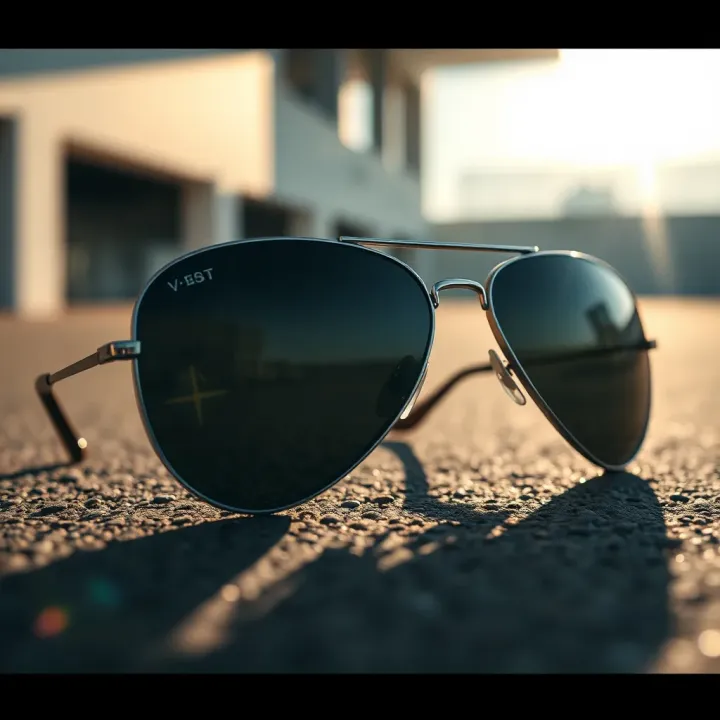
For Nigerian professionals and gamblers alike who spend hours on screens or outdoors, the blend of style and function makes aviators an attractive choice. Prescription lenses can be added too, giving you clear vision and eye protection in one package. Plus, the versatile design suits various face shapes and outfits — from casual to formal — making them a practical investment.
Whether you're indoors or out, in Lagos or Maiduguri, aviator glasses provide reliable protection and timeless style suited to Nigerian life.
In this article, we’ll unpack how to pick the right aviator glasses for Nigerian weather and face shapes, tips to keep them in top shape amid dust and humidity, and why their cultural cachet remains strong. For anyone thinking about a pair of aviator sunglasses or prescription glasses tailored for Nigerian conditions, this guide will equip you with the essentials.
Understanding the story behind aviator glasses adds depth to why they remain a top choice for eyewear in Nigeria and beyond. Their origins reveal a practical design tailored for pilots, which later evolved into a global fashion icon. Knowing this history helps you appreciate how aviators blend function with style, especially useful under Nigeria’s intense sun.
Aviator glasses were originally designed in the 1930s specifically to meet the needs of military pilots. The large teardrop shape fitted snugly, providing maximum coverage to shield eyes from sunlight at high altitudes. This feature was particularly important to World War II pilots who faced constant glare from the sky and instrument panels during long flights.
From a practical point of view, this design keeps sunlight and reflections out of your eyes better than most eyewear, a benefit that Nigerians can appreciate when navigating bright Lagos afternoons or northern sunlit roads. These glasses were crafted with lightweight yet strong metal frames, making them comfortable for prolonged wear.
During World War II, aviator glasses were standard issue for many air force personnel, cementing their association with courage and precision. Beyond military use, they took on a symbolic status representing adventure and authority. Post-war, returning veterans continued wearing aviators, helping the style transcend its military roots.
This military link also boosted the glasses' practicality, as they were proven durable and effective in harsh conditions, an assurance Nigerian users can rely on for outdoor activities, be it driving an okada or attending open-air events.
Hollywood played a major role in making aviator glasses a household name. Films like Top Gun in the 1980s, starring Tom Cruise, showed aviators as a symbol of cool and confidence. This visibility boosted their appeal beyond pilots to anyone wanting to reflect that daring, stylish aura.
For Nigerian consumers, this connection to global cinema adds a cultural cachet that goes beyond just blocking sunlight. Wearing aviators signals a kind of swagger and cosmopolitan identity, perfect for professionals and youths who want their style to carry a statement.
In Nigeria, aviator glasses have become a staple in both urban fashion and traditional events. They fit effortlessly with agbada for formal occasions or jeans and tees for casual days. Nigerian stars and influencers often sport aviators, reinforcing their status as timeless and versatile accessories.
Globally, aviators continue to inspire eyewear designers who blend modern lens technology with classic frames. In Nigeria’s bustling markets and online stores, you can find styles ranging from authentic to affordable tokunbo versions, giving everyone a chance to embrace this iconic look.
Aviator glasses are not just eyewear; they are a blend of history, function, and style that resonates strongly in Nigerian life—whether shielding eyes from the sun or adding flair to your outfit.
Aviator glasses stand out not just for style but for practical design features that suit the Nigerian environment. Understanding these distinct characteristics will help you choose eyewear that balances protection, comfort, and fashion.
Teardrop lens design to shield eyes
The iconic teardrop shape of aviator lenses is more than just a style statement. This design neatly follows the contours of the face, offering extended coverage that effectively blocks sunlight from multiple angles. It protects the eyes from glare and harsh rays, which is especially useful during Nigeria's intense midday sun, whether you're cruising in a danfo or navigating traffic on your okada.
By covering a larger area around the eyes compared to ordinary round or square lenses, aviators reduce the chance of UV rays sneaking in from the sides. This means less eye strain and better visibility under bright conditions. For professionals and youth alike, this shape supports long hours outdoors without discomfort.
Common materials used in frames
Frame materials matter not only for durability but also for weight and comfort during extended wear. Most aviator glasses use lightweight metals like stainless steel, aluminium, or titanium. Titanium frames are pricier but excel in corrosion resistance—a plus given Nigeria's humid spots like Lagos and Port Harcourt.
For affordable yet resilient options, alloy frames provide a nice balance. Plastic or acetate frames exist but don’t offer the same durability or sleekness typical of aviators. The choice of material also affects flexibility; metal frames generally allow adjusting nose pads and temples for a better fit, crucial in Nigerian climes where sweating can make slipping a problem.
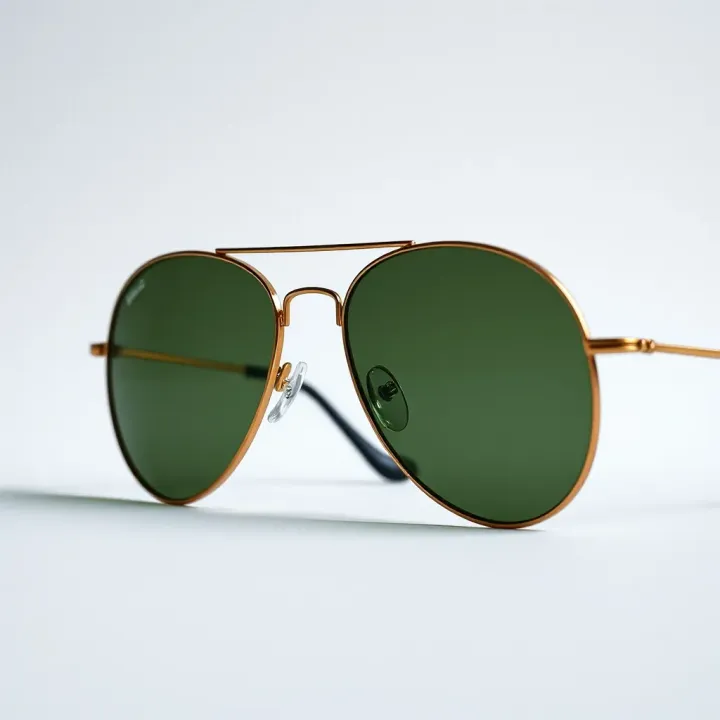
Types of lenses: polarized, tinted, mirrored
Polarized lenses are a popular choice for aviators due to their ability to reduce glare from reflective surfaces like wet roads or car hoods—a common sight during rainy seasons around the South West. This technology improves visual clarity and makes it safer for drivers and pedestrians in busy cities such as Lagos.
Tinted lenses, available in various shades, help to control brightness but don't eliminate glare as effectively. Mirrored lenses, often favoured for their cool look, reflect incoming light and reduce overall brightness, a feature that Nigerians appreciate in ember months and hot seasons.
Benefits of different lens colours in Nigerian climate
Choosing lens colour isn’t just about style; it influences how well your glasses perform under Nigerian sun. Brown or amber lenses enhance contrast and depth perception, making them ideal for outdoor activities like driving or sports in areas with fluctuating sunlight.
Grey lenses offer more natural colour perception and minimise distortion, which works for everyday urban use. Green lenses strike a balance, reducing glare and enhancing shadows, suitable for places like Abuja with significant sunny and cloudy periods.
Selecting aviator glasses with the right lens technology and colour tailored to your environment maximises eye comfort and UV protection while complementing your look.
Each of these features—frame design, material, lens type, and colour—combine to make aviators a practical and versatile choice for Nigerian users, blending functionality with timeless style.
Aviator glasses suit Nigeria’s climate and lifestyle remarkably well. They offer protection against the intense sun, which is a daily reality for many Nigerians especially in regions like Lagos and Kano where heat and glare can be quite punishing. Beyond protection, aviators complement the diverse fashion sense across Nigerian age groups. This blend of style and function makes them a popular eyewear choice.
Aviator glasses generally come with lenses that offer UV400 protection, blocking 99 to 100 per cent of harmful UVA and UVB rays. For Nigeria’s tropical sun, where UV intensity can peak during the dry season, this level of protection is non-negotiable. Without it, prolonged exposure risks cataracts, macular degeneration, and other eye problems. Choosing aviators with certified UV protection helps safeguard your eyes effectively, whether you’re driving through Abuja’s sunlit roads or waiting for a keke in Ibadan’s midday heat.
Glare from bright sunlight reflects off surfaces like roads, buildings, or even the white sand in coastal areas like Lagos and Calabar. Aviators often feature polarized lenses which cut down this glare significantly. This reduces eye strain and improves visual comfort, especially around midday when the sun is highest. For instance, when navigating Lagos traffic in broad daylight, glare reduction helps keep your vision sharp and your focus intact. It's especially useful for outdoor workers and drivers who need clear, uninterrupted sight.
Aviator glasses match well with different clothing styles, making them ideal for Nigeria’s many social and work settings. You can pair them with a casual agbada for a weekend occasion, or with a business suit at the office. Their classic teardrop lens and sleek frame add a touch of confidence without being flashy. This versatility means they don’t look out of place in upscale parts of Victoria Island or casual gatherings at a mama put roadside eatery.
Among Nigerian youth, aviators carry an effortless cool, associated with Nollywood stars and musicians who often sport them in music videos and film scenes. Professionals also favour aviators as they convey maturity and style. The glasses strike a balance between traditional and modern, making them ideal for tech-savvy workers in Abuja’s tech hubs or businessmen in bustling Kano. From Lagos to Enugu, aviators have cut across generations as a go-to eyewear accessory.
Investing in a quality pair of aviator glasses means enjoying effective sun protection alongside timeless style suited for Nigeria's diverse environments and fashion cultures.
In short, aviator glasses fit well with Nigeria’s sunlight intensity and cultural style, offering practicality and an elegant look that works for many occasions.
Choosing the right aviator glasses is more than just picking a stylish frame. It affects your comfort, eye protection, and overall look. In Nigerian conditions, where sunlight can be strong and styles vary across regions and age groups, getting the right fit and lens type matters a lot. For example, if your glasses don't fit well, they might slide off under Lagos heat or irritate your nose during long hours outside.
Knowing your face shape and key dimensions helps you find aviator glasses that complement your appearance and stay snug. Measure the width of your face at the cheekbones, the length from your forehead to chin, and the bridge of the nose. These measurements ensure the teardrop frames suit your face rather than overpower or look small.
A practical tip: Nigerians with broader faces often find larger aviator frames more flattering, while narrower faces suit smaller sizes. For example, a sharp tech professional in Abuja might opt for sleek frames that don’t dominate their features, especially when paired with formal wear.
Adjusting the nose pads and earpieces is just as important to keep the glasses stable and comfortable. Adjustable nose pads help align the glasses to your nose bridge, preventing slippage during humid days. Earpieces that curve correctly behind the ears reduce pressure points. You can visit an optometrist or a quality eyewear store in Nigeria to get these custom adjustments done.
Deciding between prescription lenses and sunglasses depends on your vision needs. If you need eyesight correction, prescription aviator glasses serve dual purposes—style and clear vision. Many Nigerian professionals, especially those working long hours in bright offices and driving around cities like Lagos, find this combination useful.
Sunglasses without prescription are perfect if you already have perfect eyesight or use contact lenses. They protect against UV rays and glare, especially important when you're out in open markets or on the road under intense sun.
Lens coatings and added features enhance both comfort and durability. Common coatings include anti-reflective, scratch-resistant, and UV protection layers. For instance, an anti-reflective coating benefits a gambler working with screens for hours by reducing glare. Scratch resistance is vital given the frequent handling and transport of glasses in busy Nigerian cities, where dust and accidental drops are common.
Some aviator lenses offer photochromic options that darken in sunlight and lighten indoors. This flexibility suits Nigerians who move between indoor offices and outdoor environments frequently. Other features like polarized lenses cut glare from reflective surfaces such as wet roads during rainy seasons.
Selecting aviator glasses tailored to your face size, vision needs, and lifestyle in Nigeria ensures comfort, durability, and ongoing style appeal even under the country’s challenging sunlight.
By taking time to measure your face, adjust your frames properly, and choose lenses suited to your vision and environment, you make your aviator glasses work better for your daily activities—whether you're hustling in traffic or chilling at a mama put after work.
Aviator glasses are more than just a fashion statement; they are an investment in both style and eye protection. Taking proper care ensures they last longer, continue to give optimal UV protection, and maintain their sharp look despite Nigeria's often harsh sun and dusty environment. A neglected pair can quickly gather scratches or loosen and lose comfort, which defeats their practical purpose.
Using the right cleaning materials makes a big difference. Always use a clean, soft microfibre cloth designed for eyewear to wipe your lenses. Avoid rough materials like ordinary cloths or tissue paper as they can easily cause micro-scratches. For removing stubborn dirt or grease, a gentle lens cleaner or a bit of diluted dish soap with water works well—just rinse lightly and dry with the microfibre cloth.
Avoid using household products such as window cleaners, alcohol, or bleach on the lenses. These can damage the lens coatings, especially the anti-reflective or polarized layers commonly found on aviator glasses. In Nigeria, dust and finger oils accumulate fast, so cleaning your glasses daily or whenever they look dirty prevents build-up that is tougher to remove later.
To keep smudges and scratches at bay, resist touching the lenses unnecessarily. When handling your aviators, hold them by the frame instead of the lenses. Also, in busy Nigerian cities like Lagos or Abuja, storing your glasses safely when not in use reduces the chance of accidental falls or scratches caused by placing them lens-side down.
Always keep your aviator glasses in a sturdy protective case when off your face. This simple precaution shelters them from scratches, dust, and knocks. Given how hectic commuting can be—with okadas, danfos, and crowded markets—having a reliable case saves your eyewear from being crushed in bags or misplaced at mama put stalls.
Choose a hard-shell case with a soft inner lining for best protection. If you lose the original, many salons and optical shops sell good quality cases for around ₦2,000–₦5,000.
Frames can bend or loosen if carelessly handled. Avoid putting aviators on your head as a temporary hold; this stresses the nose pads and hinges, causing wear over time. When adjusting nose pads or temple arms, gentle pressure is essential. If you feel the frame getting loose or unbalanced, visit an optical shop for professional realignment rather than forcing adjustments yourself.
Proper care extends your aviator glasses’ lifespan, keeping them comfortable and effective against Nigeria’s strong sun and dust. Small habits like daily cleaning with the right cloth and safe storing in a good case make all the difference.
Adopting these care routines lets you enjoy the blend of style and protection aviators offer, whether you’re driving in traffic, attending a meeting, or relaxing at an owambe party.
Finding genuine aviator glasses in Nigeria requires careful attention to trusted sources. With the rise of counterfeit and low-quality tokunbo (second-hand) products flooding the market, knowing where to buy authentic eyewear ensures you get the proper protection and lasting style that aviators promise.
Shopping at local outlets known for selling authentic brands gives you the benefit of immediacy and personal inspection. Lagos’ Lekki and Victoria Island districts, Ikeja City Mall, and Abuja’s Wuse Market have reputable eyewear shops stocking international brands like Ray-Ban, Oakley, and Police. These shops often provide warranty and after-sales service, which means you can return if the glasses develop faults. It is wise to ask for a proof of authenticity or manufacturer’s certificate when buying from local stores to avoid imitation products.
If you prefer convenience, many Nigerian online platforms specialise in genuine eyewear. Websites like Jumia and Konga offer verified products backed by customer reviews and clear return policies. Some dedicated eyewear retailers also run online stores with delivery across major Nigerian cities. Opting for online purchase means you can compare prices and brands easily, but ensure the seller has strong ratings and offers warranties. Always verify the return and exchange policy before checkout, so you are not stuck with substandard glasses.
Counterfeit aviators often have tell-tale signs. Check for misspellings on the packaging, uneven logos, and flimsy materials. Genuine aviators use high-quality metals and precise stitching on leather cases, while fakes tend to look cheaper and feel lighter. Lens coatings on knock-offs might scratch easily or have inconsistent tinting. Always inspect hinge quality and check for serial numbers engraved on the frames, which many authentic brands incorporate as a mark of genuineness.
If a deal sounds too good to be true, it probably is. Genuine aviator glasses from top brands in Nigeria usually start from around ₦25,000 and can go higher depending on features and lens technology. Extremely low prices often mean compromised quality or fake products. Always ask for warranty details; authentic sellers provide a warranty ranging from six months to two years covering manufacturing defects. This offers peace of mind that you are investing in eyewear that will last.
Buying your aviator glasses from trustworthy sources protects your eyes and ensures you look sharp without worrying about poor product quality. Always prioritise authenticity over cheapness to avoid regrets.
By considering these points, you can confidently select where to buy genuine aviator glasses in Nigeria and enjoy both style and durability.
Looking for the best Aviator gaming site in Nigeria? 🎮 Discover trusted platforms, secure payments like USSD or ₦-wallets, top site features, and safe play tips here!

🎰 Discover Aviator Bet App for Nigerians: easy registration, secure payments, smart betting tips, and reliable customer support for a top betting experience in ₦.

🎮 Discover how Aviator game works, its Nigerian betting appeal, legal tips, winning strategies, and responsible play advice for you to enjoy and win small ₦ gains.

Discover the Super Eagles' rich history ⚽, key achievements 🏆, their impact on Nigerian society 🇳🇬, star players 🌟, current challenges, and future in Nigerian football.
Based on 9 reviews