
How to Use 49ja Neteller Services in Nigeria
Explore 49ja Neteller services in Nigeria 🇳🇬: how to register, fund accounts, make transactions, avoid common challenges, and save ₦ with smart tips on fees and security 🔐💸
Edited By
William Harris
Depositing money into your 49ja Paga account is simple, but understanding the fees attached is just as vital. Many users in Nigeria, especially gamblers and tech professionals, tend to overlook these fees, which can quietly eat into your funds over time. This section breaks down what deposit fees 49ja Paga charges, how they are calculated, and what that means for you.
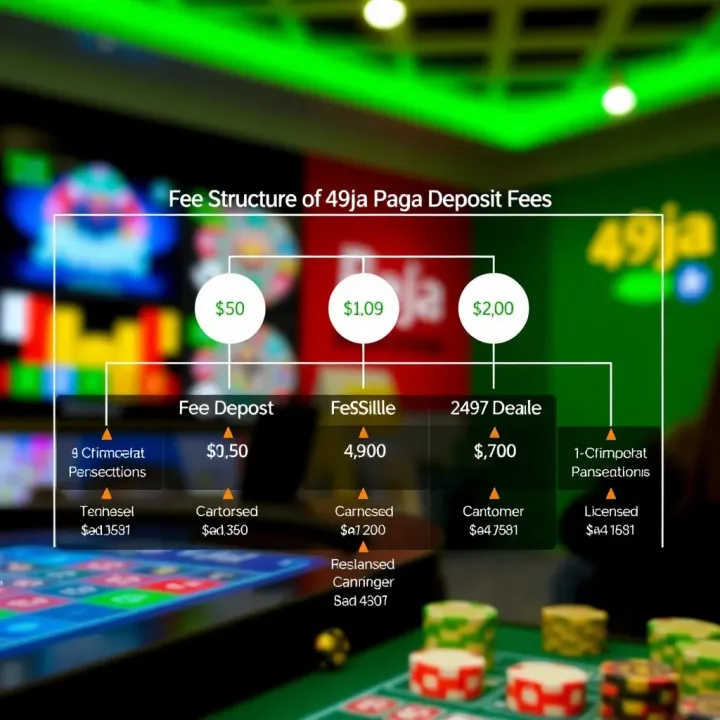
49ja Paga charges a small percentage fee on deposits, depending on the payment method you choose. For example, if you fund your wallet via bank transfer, the fee might be zero or relatively low, typically around 1%. But deposits made through card payments—using Visa or MasterCard—often carry higher charges, sometimes between 1.5% to 2.5% of the amount deposited.
These fees cover operational costs such as payment gateway charges and fraud prevention, which are necessary to keep the platform secure and reliable.
Bank Account Transfer: Usually free or as low as ₦50 for charges under ₦10,000
Card Payments: About 1.5%–2.5% per transaction
USSD or Mobile Money: Fees vary but generally fall in the 1% range
For instance, depositing ₦20,000 via MasterCard might cost you approximately ₦400 in fees, leaving ₦19,600 actual credit to your 49ja Paga wallet.
Knowing these fees ahead can help you plan your transactions better and avoid surprises, especially during high-stake betting periods.
These fees directly affect how much value you get from your deposits, which matters a lot if you manage a tight budget or are posting multiple deposits daily. Understandably, paying extra to move your money might feel frustrating, but it's part of maintaining a user-friendly, secure service.
Later sections will cover practical tips to reduce or avoid these fees when using 49ja Paga. You'll learn how to choose the best payment options and time your deposits during low-fee periods.
Understanding these basics save you money and stress, setting you up to enjoy 49ja Paga fully without unwanted deductions.
Understanding how deposit fees work on 49ja Paga saves you unnecessary charges and lets you plan your transactions smarter. These fees cover the costs of processing payments, maintaining security, and keeping the service reliable, so being clear on their structure helps you avoid surprises.
49ja Paga serves as a Nigerian-focused digital payment platform facilitating seamless fund transfers, bill payments, and deposits with convenience and security. It acts as an interface between users and various financial networks, integrating banks, mobile money services, and physical agents. This multi-channel approach positions 49ja Paga as a versatile choice for daily transactions, particularly for customers who want quick access to funds without visiting a bank.
When you deposit money into your 49ja Paga wallet, the platform processes your transaction through your chosen method — whether it's bank transfer, mobile money, or an agent. The deposit fee is usually calculated as a fixed charge or percentage of the amount, deducted during the deposit. Once confirmed, your wallet balance updates instantly or within a short delay depending on the payment channel. Clear knowledge of this process helps you time your deposits better, especially when speed or fee-saving is a priority.
Bank transfers allow users to move money directly from their bank accounts into their 49ja Paga wallet. This method appeals to those comfortable with online banking or mobile apps like GTBank, Access Bank, or Zenith Bank. It's often cheaper than other channels but might take longer to reflect depending on the bank’s processing times. For example, a ₦20,000 transfer from GTBank to 49ja Paga may attract a small fee but typically clears within a few minutes.
Depositing through Point-of-Sale (POS) terminals involves visiting a retail location with a POS device, where you hand over cash and your 49ja Paga details. Agents complete the transaction on-site, crediting your wallet quickly. This method benefits users without smartphones or stable internet, but it could attract higher fees due to third-party charges. For instance, using a POS in a busy Lagos marketplace might cost slightly more than a bank transfer.
Mobile money platforms like MTN Mobile Money or Airtel Money partner with 49ja Paga to allow deposits from user wallets to their 49ja accounts. This option is fast and convenient, especially for users already familiar with mobile money services. However, fees vary depending on the mobile operator and typically include a percentage of the deposit value. A ₦10,000 deposit via MTN Mobile Money might charge about ₦50 to ₦200 based on prevailing tariffs.

Agent deposit involves physical cash payments made to authorised agents who, in turn, credit your 49ja Paga wallet. This is practical in areas with little banking infrastructure or for users preferring personal interaction. The fee charged by agents can vary and usually includes service charges for handling cash. For example, an agent in a city suburb might charge ₦100 to ₦300 for a ₦5,000 deposit depending on demand and location.
Knowing your deposit options and their specific fee structures empowers you to choose the method that best fits your budget and convenience. Always check current charges before depositing to avoid unexpected costs.
Understanding how 49ja Paga charges deposit fees is essential for users who want to manage costs effectively. Knowing the fee structure helps you plan your transactions and avoid surprises that may eat into your funds. For example, if you’re funding your account for betting or quick payments, being aware of these fees ensures you can maximise the money you have available.
49ja Paga usually applies different fee rates depending on the deposit method you choose. Deposits via bank transfer often attract lower fees, typically around 0.5% to 1% of the deposited amount. On the other hand, deposits made through POS terminals or agents might come with slightly higher fees, averaging about ₦50 to ₦150 per transaction.
Mobile money deposits could attract intermediate fees due to the cost structure of mobile network operators. For instance, if you deposit ₦10,000 through mobile money, expect to pay around ₦100 as fee, but this can vary by provider. Being aware of these standard rates enables you to pick the most cost-effective method for your deposits.
When stacked against other Nigerian platforms like OPay, Paystack, or Flutterwave, 49ja Paga’s deposit fees fall near the middle range. OPay may offer attractively low fees or occasional fee waivers, especially for smaller deposits. Meanwhile, Paystack and Flutterwave often charge a flat rate combined with a percentage, which may be costlier for large deposits.
If you frequently move money for online betting or business, comparing these fees can save you significant funds over time. For instance, depositing ₦50,000 regularly with a 1% fee on 49ja Paga will cost ₦500 per deposit. Seeking platforms with promotional discounts or lower fee percentages may be more economical depending on your use case.
The amount you deposit strongly affects the fees you pay. Usually, smaller deposits attract fixed flat fees, while larger transactions incur percentage-based fees. For example, depositing ₦1,000 might cost a flat ₦50, which is 5%, quite steep for small value. But depositing ₦100,000 might attract a 1% fee, which is ₦1,000 — still more in absolute terms but less painful in relative terms. Understanding this helps you decide the best deposit size to minimise fee impact.
The channel you use for deposit contributes to fee variation. Bank transfers often have lower fees because of efficient processing networks. Agent deposits or POS terminal use typically involve additional operational costs, borne partly by the user as higher fees. For instance, an agent might charge extra for their convenience and service time. If you value speed and convenience over cost, you might accept these fees, but if you want to save, choosing bank transfers or direct mobile money deposits usually makes more sense.
49ja Paga may apply different fee rates based on whether your account is personal, business, or VIP. Business accounts, handling higher volumes, sometimes benefit from reduced fees through negotiated terms or loyalty programmes. Likewise, VIP or premium users might enjoy lower fees as part of the platform’s incentives. For example, a high-frequency bettor with a VIP account could reduce deposit costs by 20%, which adds up after severally deposits. Regular users should check if upgrading their account type offers fee advantages.
Knowing these details lets you make informed choices, so your deposits go further without unnecessary charges. Careful selection of deposit methods and amounts can keep your balance optimised, especially if you use 49ja Paga frequently.
Understanding why 49ja Paga charges deposit fees helps users appreciate the practical reasons behind these costs. In a busy fintech environment like Nigeria’s, the fees contribute to maintaining a reliable service, protecting users’ funds, and complying with regulations set by financial authorities. These charges aren’t just arbitrary; they reflect real expenses and safeguards necessary for smooth transactions.
Running a payment platform involves several recurring costs. When you deposit money via 49ja Paga, part of the fee goes to cover bank charges and transaction processing fees. For instance, banks and card networks typically levy a fee for every transaction processed. 49ja Paga often shoulders some of these costs but recoups the rest through deposit fees.
Consider an example: transferring ₦10,000 through a bank might attract a ₦50 fee from the bank. If 49ja Paga only charges ₦30, it absorbs the remaining ₦20 to keep services running. They also invest in infrastructure such as servers, software updates, and customer support. All these operational costs add up, making deposit fees necessary to sustain quality service.
Security is a top priority for 49ja Paga, especially given Nigeria’s increasing cases of online fraud and scams. Deposits involve verifying user identities and monitoring suspicious activities, which requires advanced security systems and staff.
For example, to prevent unauthorised access, 49ja Paga may charge fees that partly fund fraud detection software and regular audits. These fees help the platform stay alert against scammers who try to exploit deposit services. In practice, this means your money is safer but there’s a slight cost attached to that enhanced security.
Nigerian financial regulators such as the Central Bank of Nigeria (CBN) set strict rules for payment platforms like 49ja Paga. Compliance with anti-money laundering (AML) laws, know-your-customer (KYC) standards, and tax reporting comes with extra overheads.
For instance, 49ja Paga must verify each depositor’s identity using their National Identification Number (NIN) or Bank Verification Number (BVN). These processes require technology and manpower, both of which cause additional cost. Charging deposit fees allows the company to meet these legal obligations without compromising service availability or quality.
Deposit fees are more than just charges; they fund essential services like infrastructure, security, and regulatory compliance that keep your money safe and transactions smooth.
In summary, 49ja Paga’s deposit fees cover operational expenses, security efforts, and regulatory requirements. Being aware of why these fees exist helps consumers make informed decisions and plan their use of the platform wisely, especially if they rely on regular deposits for online betting or business transactions.
Understanding the effects of 49ja Paga’s deposit fees on your transactions and budget is key for managing your funds wisely. These fees might seem small at a glance, but depending on your deposit habits, they can add up and influence your overall spending or betting power.
The size of your deposit significantly changes how these fees affect you. With small deposits, say under ₦1,000, fixed fees or even percentage-based fees can take a big chunk out of your money. For instance, a ₦100 fee on a ₦1,000 deposit is like paying 10% extra just to fund your account. On the other hand, larger deposits spread the fee over a more substantial sum, reducing its relative impact. Depositing ₦50,000 with the same ₦100 fee results in just 0.2% cost, which is more reasonable.
For gamblers or tech professionals using 49ja Paga regularly, this means frequent small deposits might erode your balance quicker than occasional larger top-ups. It’s often smarter to plan for fewer but higher deposits to get more value from your money.
Some users find surprises in hidden charges attached to their deposits. These may include network fees from banks or mobile operators, especially during peak times or ember months when demand surges. Additionally, timing plays a role: transactions done after banking hours or on weekends might attract extra charges or slower processing, indirectly affecting your budget when battling for optimal betting opportunities.
Always check if your deposit method attracts extra fees from your bank or network provider before funding your 49ja Paga wallet. Sometimes, paying via agent deposit might save you unexpected costs present in electronic transfers.
Also, keep an eye on promotional periods when 49ja Paga waives certain fees. Depositing during these times can help you avoid charges altogether, physically stretching your naira further.
In summary, knowing how these fees hit you based on deposit size and timing empowers you to adjust your payout methods and schedules. This knowledge helps protect your wallet from avoidable costs and ensures more money stays in your pocket for winning bets or tech investments.
Managing deposit fees effectively on 49ja Paga can save you a good amount of naira over time, especially if you transact sevverally each week. Understanding specific tactics to reduce or dodge these fees helps you keep more of your money in play without unnecessary costs. Below are practical strategies tailored for Nigerian users who want to get the most out of their 49ja Paga experience.
One of the easiest ways to avoid deposit fees is to opt for fee-free channels 49ja Paga offers. For instance, some bank transfers to 49ja Paga wallets attract no deposit charges if done through partnered banks like Access Bank or GTBank. Using mobile banking apps directly linked to 49ja Paga sometimes bypasses fees that agents or POS terminals may charge.
Try to avoid agent deposits or POS terminal deposits unless necessary, as these often carry higher processing fees. When you plan your deposits, check if the platform currently offers certain channels without charges or with reduced fees.
Rather than topping up small amounts repeatedly, consolidating your deposit into one or two larger transactions cuts down fee payments. For example, instead of depositing ₦5,000 daily over a week (which could mean paying fees seven times), deposit ₦35,000 once or twice monthly, depending on your usage. This approach reduces the number of transactions incurring fees.
This method also means you spend less time and energy on frequent deposits, freeing you to focus on your activities without worrying about constant charges. However, ensure you only deposit what you realistically need to avoid locking funds in an inactive wallet.
49ja Paga occasionally rolls out promotions that waive deposit fees for users, particularly for first-time deposits or during special events such as Independence Day or festive seasons like Christmas and Sallah. Signing up for their newsletter or following their official social media pages keeps you updated about these offers.
Additionally, some campaigns target loyal users or those with certain account levels, so maintaining an active profile could qualify you for fee waivers. For example, a user who regularly transacts above ₦20,000 monthly might enjoy zero fees on deposits during promotional windows.
To optimise your funds effectively, always seek out fee-free channels, plan your deposit amounts wisely, and stay alert for promo periods when 49ja Paga waives deposit fees.
By incorporating these tips, Nigerian gamblers and tech-savvy professionals can enhance their deposit efficiency, save costs, and enjoy smoother transactions on 49ja Paga's platform.
Explore 49ja Neteller services in Nigeria 🇳🇬: how to register, fund accounts, make transactions, avoid common challenges, and save ₦ with smart tips on fees and security 🔐💸

Discover how 49ja Lucky Jet works 🎮, learn key rules 📜, strategies, risks ⚠️, and benefits 💰. Get practical tips for Nigerian players 🇳🇬 ready to try their luck!

🎰 Get to know 49ja Mega Moolah RTP and why it matters to Nigerian players. Learn how to play smart, compare slots, and manage risks for better wins in ₦!

Learn how to safely transfer money from 49ja to any Nigerian bank account with ease ✅. Discover step-by-step methods, fees, and security tips for smooth transactions 💸.
Based on 14 reviews