
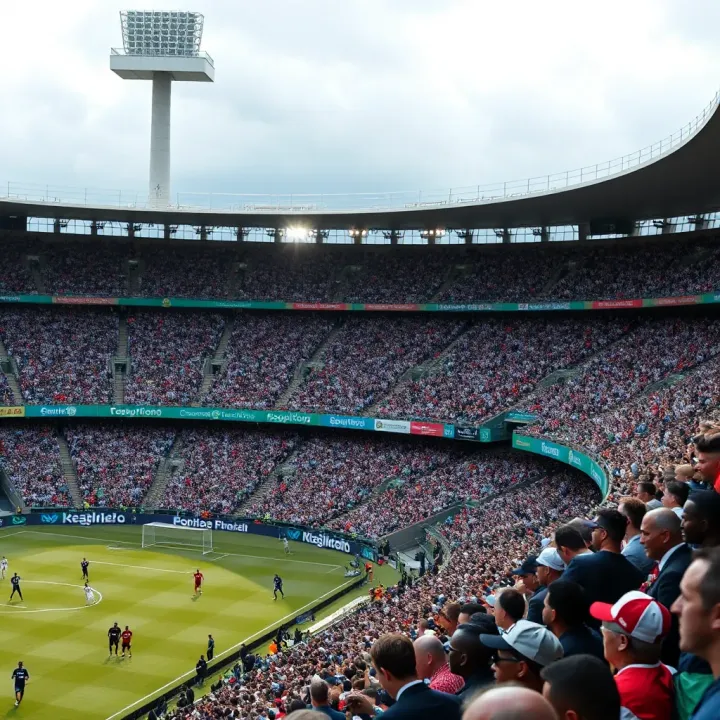
Understanding 49ja NPFL Fixtures: Nigerian Football Guide
⚽ Get the full rundown of 49ja NPFL fixtures, their schedules, team matchups, fan tips, and where to catch live games across Nigeria this season. 🇳🇬
Edited By
Daniel Price
Champions League 49ja stands out as one of Nigeria’s most followed football competitions, drawing attention from fans, bettors, and sports professionals alike. This competition brings together local football clubs from various Nigerian states and serves as a platform for discovering fresh talent, which is crucial for the growth of Nigerian football.
Unlike the Nigerian Professional Football League (NPFL), Champions League 49ja is often more grassroots-oriented, showcasing teams that might not have massive budgets or international exposure but thrive on local support and passion. It is this community-driven spirit that makes the league unique.

The structure of Champions League 49ja involves group stages followed by knockout rounds, similar to bigger international tournaments. Participating teams typically represent local government areas or smaller cities, giving diverse regions a chance to shine on a national stage. This wide representation encourages healthy competition and helps scouts spot promising players early.
Champions League 49ja serves as a key feeder system for bigger Nigerian leagues, offering young footballers the chance to elevate their careers domestically and even internationally.
For gamblers and tech-savvy professionals, understanding this competition offers betting opportunities grounded in local insight. The league's unpredictability is famous, making it appealing for sports betting apps and platforms popular in Nigeria such as Bet9ja and NairaBet.
Teams like Lagos United and Enugu Warriors have emerged as strong contenders in recent seasons, often pulling large crowds both physically at stadiums and online through live streams. These clubs show how the competition nurtures local pride alongside football excellence.
In summary, Champions League 49ja not only showcases Nigeria's rich football talent but also fuels local economies and betting markets. It remains essential in the broader Nigerian football ecosystem, connecting regional enthusiasm with national recognition.
Understanding Champions League 49ja equips enthusiasts with an appreciation for local football culture and informs realistic betting strategies based on deep knowledge of Nigerian football dynamics.
Understanding the origins and background of Champions League 49ja helps to contextualise its significance within Nigerian football. Knowing how the competition started and how it has evolved sheds light on why it has become a key platform for local teams and young talent. This background informs fans, bettors, and professionals on the competition’s role in shaping the local football scene and its potential for growth.
Champions League 49ja officially kicked off in 2015 as a response to the need for a more competitive and widely accessible football tournament in Nigeria. Unlike the traditional Nigerian Professional Football League (NPFL), it was designed to integrate clubs from both professional tiers and promising non-league teams. This inclusion aimed to offer fresh competition opportunities beyond the usual league format.
The initiative was originally backed by private investors and football enthusiasts who saw the chance to nurture grassroots talents that were often overlooked. For example, clubs like Enugu Rangers and Kano Pillars were among the first to participate alongside lesser-known teams from regional leagues. By setting up a Champions League-style contest tailored to Nigerian realities, the organisers opened doors for community clubs to shine, bringing football excitement to cities and towns beyond the usual hotspots.
Since its inception, Champions League 49ja has witnessed steady growth both in audience and team participation. Starting with just 16 teams, the competition now regularly features 32 clubs, reflecting its growing importance. Over the years, its structure has been refined to include group stages followed by knockout rounds, mirroring international formats and enhancing competitive intensity.
Media coverage has also expanded. Early broadcasts were limited to local channels and streaming platforms, but recent seasons now enjoy nationwide broadcasts on major Nigerian sports networks, plus coverage on digital platforms like YouTube and social media. This evolution has brought Champions League 49ja closer to fans in big cities like Lagos, Abuja, and Port Harcourt, as well as smaller towns.
Importantly, this competition has become a launchpad for several Nigerian footballers securing moves abroad or into the NPFL. Its emphasis on scouting and youth opportunities connects well with clubs looking to bolster their squads affordably. Also, sponsors from tech and sports-related industries have increased their involvement, betting on the league's appeal among Nigeria’s tech-savvy youth.
Champions League 49ja stands as a vibrant symbol of Nigerian football's potential, bridging grassroots enthusiasm with professional ambition.
By giving teams a stage to perform outside league pressures, the competition has rekindled local passion for football, showing how a well-structured tournament can deepen connection to the sport. This background lays the groundwork for understanding its current format and cultural influence within Nigeria’s football ecosystem.
Understanding the structure and format of Champions League 49ja provides clear insights into how the competition operates day to day. These details affect everything from team participation to scheduling, ensuring the contest runs smoothly and remains competitive.

Champions League 49ja welcomes a select group of 20 professional football clubs from across Nigeria’s six geopolitical zones. Eligibility revolves around club registration with the Nigerian Football Federation (NFF) and meeting specific criteria on finances, stadium quality, and youth development programmes. For example, GTBank FC, a Lagos-based team, secured its spot this season after upgrading their home stadium to meet league standards and investing in local youth academies.
Clubs must also avoid outstanding debts to players or the league to maintain eligibility. This measure helps uphold professionalism, reducing the risk of mid-season withdrawal that could disrupt the competition. Teams from the Nigerian Professional Football League (NPFL) sometimes join, adding a blend of experienced squads with emerging clubs from state leagues.
The competition follows a double round-robin format where each team faces others twice — once at home, once away — resulting in 38 matches per club per season. This schedule maximises competitive fairness, giving fans numerous chances to watch their clubs live.
Matches usually take place on Fridays and Sundays, avoiding midweek slots to ease travel strains given Nigeria’s vast size and sometimes poor road conditions. Kick-off times are standardised at 4 pm WAT to take advantage of daylight and accommodate broadcasters.
Venues are primarily clubs’ home stadiums; however, fixtures occasionally shift to neutral grounds in case of security concerns or pitch issues. For instance, FC Kano had to relocate some games to Kaduna due to pitch damage during the rainy season. Adequate lighting and seating capacity (minimum 5,000 seats) are strict requirements, aiming to improve the overall fan experience and safety.
Clear rules on scheduling and venue standards help maintain the competition’s credibility, ensuring Nigerian fans enjoy quality football without disruptions.
This careful organisation between eligibility, match rules, and venues positions Champions League 49ja as a reliable platform for local talent to thrive and for fans to engage with top-tier Nigerian football.
Champions League 49ja holds a significant position in Nigeria's football ecosystem. Unlike the traditional Nigerian Professional Football League (NPFL), it operates as a vital platform where emerging teams and young talent can showcase their skills, bridging the gap between grassroots football and professional levels. Its role extends beyond being just another competition; it actively complements the existing professional leagues, enhancing the depth and reach of Nigerian football.
Champions League 49ja runs parallel to the Nigerian Professional Football League but fills a crucial niche in the country's football development. While the NPFL features established clubs often located in large cities like Lagos, Abuja, and Port Harcourt, Champions League 49ja offers a stage for lesser-known teams from smaller towns and regions. This inclusiveness strengthens the football ecosystem by creating opportunities for talent discovery outside usual urban centres.
Clubs participating in Champions League 49ja often promote players to NPFL teams, serving as a feeder system. For instance, players from teams like Kano Pillars or Enugu Rangers have, at times, scouted talents originally spotted during Champions League 49ja matches. This dynamic helps Nigerian professional clubs tap into fresh talent pools, particularly from areas underserved by top-tier scouts.
Moreover, the competition’s scheduling is designed not to clash heavily with NPFL fixtures, allowing players to participate without overstretching themselves. Local football associations sometimes coordinate cup ties to align with both leagues' calendars, showing increasing collaboration to boost football standards nationwide.
Champions League 49ja contributes notably to local football progress by fostering competitive matches among emerging teams and providing young players with exposure to higher-level competition. Its structure encourages clubs to develop youth academies and invest in training facilities, as success in the league demands a steady pipeline of skilled players.
This competition also promotes grassroots football culture in underserved regions, drawing community support and sponsorships. Several local businesses have stepped in to sponsor teams and events during the league season, pumping funds that sustain football activities and reduce dependence on government grants.
Many top Nigerian stars once started in competitions like Champions League 49ja, proving its role as a talent incubator.
Besides talent development, Champions League 49ja increases football’s popularity across Nigeria by bringing games closer to fans in smaller towns who often find it difficult to attend NPFL matches. This local access fosters a vibrant football culture where communities rally around their teams, building loyalty and enthusiasm from the ground up.
In summary, Champions League 49ja is not just a side competition but a crucial part of Nigerian football’s foundation. It works alongside professional leagues and grassroots programmes to create a well-rounded football environment, ensuring continuous talent flow and promoting the beautiful game countrywide.
Fan engagement plays a big part in the success and vibrancy of the Champions League 49ja. Nigerian football supporters are known for their passion, and this competition taps into that enthusiasm by giving fans local teams and players they can truly connect with. The excitement is not just about watching matches but also about the shared experiences at stadiums, viewing centres, and even roadside gatherings where fans cheer their teams with drums and flags. This engagement boosts ticket sales and viewership, which in turn helps clubs attract sponsorship and improve facilities.
Champions League 49ja enjoys widespread popularity that cuts across age groups and regions. Football is Nigeria’s heartbeat, and the competition energises local communities, especially in states with participating clubs. Towns often organise viewership events at buka or barbing salons, where supporters gather to watch games and share predictions. Many fans are loyal to teams from their home states, sparking friendly rivalries similar to what you’d see with traditional clubs. Moreover, the league serves as an accessible platform for fans who cannot afford to follow international leagues. For instance, fans in Lagos or Kano may spend ₦500 to watch a live match, a more affordable option compared to satellite subscription fees required for European football.
The league also thrives on local identity and cultural pride. Fans dress in team colours and display aso ebi during home games, making match days carnival-like events. This palpable cultural connection encourages ongoing support and lastingly embeds the competition into community life.
Media coverage has expanded Champions League 49ja’s reach beyond stadiums through national TV stations like NTA Sports and sports blogs. With the rise of social media platforms such as Twitter, Instagram, and Facebook, supporters now interact directly with clubs and players. Clubs maintain official pages that post highlights, injury updates, and behind-the-scenes moments, fostering a connection that feels personal.
Social media also gives young professionals and tech-savvy fans platforms to express opinions, share fan content, and even organise viewing parties. For example, hashtags like #CL49jaLatestTrend allow for real-time conversations during match days, amplifying the competition’s buzz.
Digital engagement drives advertising revenue; brands see value in targeting this loyal, youthful Nigerian audience. Betting companies, sportswear brands, and telecom providers are among those that sponsor or advertise during Champion League 49ja broadcasts, recognising the mix of football passion and tech adoption.
Champions League 49ja is not just a sports competition; it’s a cultural event that connects communities, media, and commerce around Nigeria’s football spirit.
The combination of enthusiastic spectatorship and strategic media utilisation makes the league a vital part of Nigeria’s football culture and an asset for future growth.
The Champions League 49ja faces several challenges that impact its growth and sustainability. Tackling these issues is necessary to strengthen the competition and elevate Nigerian football on the local and international scene. At the same time, the league holds promising opportunities that could fuel its development and deepen fan engagement.
A major challenge is inconsistent funding, which affects everything from team logistics to venue quality. Many clubs struggle to secure regular sponsorships, resulting in irregular payment of players and staff. For example, some teams have reportedly faced delayed wages during peak ember months, forcing key players to consider moves abroad or to more stable Nigerian professional leagues. This financial gap sometimes extends to poor facilities, with some match venues lacking adequate seating, security, or broadcasting infrastructure.
Another significant issue is the competition's organisational structure. Scheduling conflicts and last-minute fixture changes have caused frustration among fans and broadcasters alike. This unreliability undermines the league's appeal to betting platforms and advertisers who seek stable, predictable operations. Additionally, refereeing standards occasionally come under criticism, affecting match fairness and public trust.
Logistical challenges also hinder the smooth running of the league. Transport difficulties, especially for teams based far apart, mean long and costly journeys. The reliance on generators due to unstable power supply increases operational costs, which clubs often handle poorly. These challenges limit the ability of clubs to prepare adequately, impacting performance and fan turnout.
Despite these hurdles, Champions League 49ja has clear pathways to grow. Strengthening partnerships with fintech companies like Paystack or Flutterwave can create more reliable and transparent payment solutions for clubs and players, improving financial stability. Attracting sponsors from Nigeria's booming tech and telecommunication sectors could also energise the league’s funding.
Implementing technology-driven solutions may enhance match organisation as well. Platforms that streamline fixture scheduling and real-time updates can improve communication with fans and media. Introducing VAR (video assistant referee) in a phased manner, starting with key matches, could raise refereeing standards and credibility.
On the fan engagement front, digital marketing via social media channels can be intensified to reach younger, tech-savvy Nigerians. Collaborations with popular content creators and football influencers will widen viewership and participation, particularly in major cities like Lagos and Abuja.
Additionally, investing in youth academies and grassroots programmes can ensure a steady pipeline of talented players, thereby increasing the competition's qualitative standard. Public-private partnerships could support infrastructure upgrades, targeting decent stadiums equipped with power backup and broadcast-ready facilities.
Addressing these challenges head-on while leveraging Nigeria’s growing tech ecosystem offers Champions League 49ja a solid shot at becoming a properly organised competition that fuels the nation’s passion for football and creates wider economic opportunities.
In summary, the league’s future depends on solving funding, organisational, and logistical gaps through innovation and strategic investments. Doing so will not only improve the competition’s quality but also boost its commercial and cultural value across Nigeria.
⚽ Get the full rundown of 49ja NPFL fixtures, their schedules, team matchups, fan tips, and where to catch live games across Nigeria this season. 🇳🇬
⚽ Get ready for the Kazakhstan Premier League season with sharp forecasts! Discover top teams, key players, tactics, and how transfers might shape the race 🏆
🎮 Master 49ja Aviator with proven tricks! Boost your win chances, manage ₦ smartly, and avoid common mistakes for steady gameplay success in Nigeria 🇳🇬.
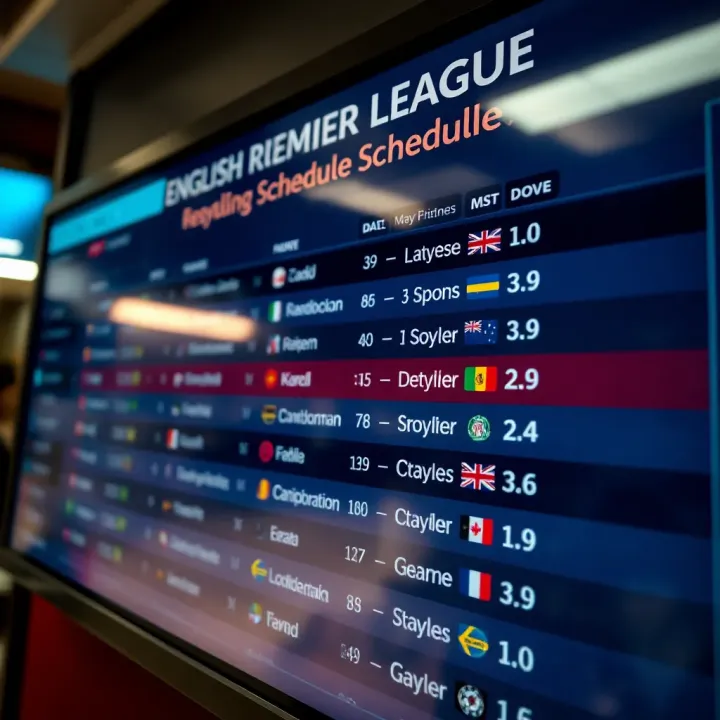
⚽ Get today’s EPL fixtures update – match schedules, team lineups, where to watch, and expert analysis for Nigerian fans ready for Arsenal, Man United, and more!
Based on 13 reviews